Carrot Juice And Beta-carotene
What is Carrot Juice And Beta-carotene?
Carrot juice is the liquid extracted from carrots. Beta-carotene is a pigment found in carrots and other orange and yellow fruits and vegetables. It is also produced commercially for use as a food additive.
Is Carrot Juice And Beta-carotene vegan?
Carrot Juice And Beta-carotene is not animal-derived. Products that contain it can still include other animal-derived ingredients, so check the full ingredient list.
Is Carrot Juice And Beta-carotene a major allergen?
Not a major allergen.
What is Carrot Juice And Beta-carotene used for?
Carrot juice is used as a natural flavoring and coloring agent.
Is Carrot Juice And Beta-carotene safe?
Carrot juice is generally recognized as safe (GRAS) by the FDA.
Why it's used
Carrot juice is used as a natural flavoring and coloring agent. Beta-carotene is primarily used as a food coloring agent, providing yellow to orange hues, and also as a source of Vitamin A.
Health notes
Carrot juice is generally recognized as safe (GRAS) by the FDA. Beta-carotene is also GRAS and is used as a color additive. It is a precursor to Vitamin A, which is essential for vision, immune function, and skin health. High intake of beta-carotene from food sources is not associated with toxicity, though very high supplemental intake can cause skin yellowing (carotenemia). JECFA and EFSA have evaluated beta-carotene.
Allergen info
Not a major allergen.
Foods that contain Carrot Juice And Beta-carotene
Compare products →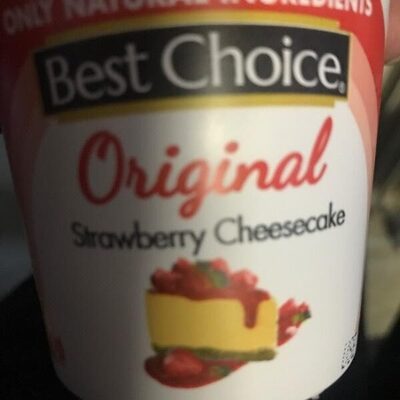
Learn more
Auto-generated content. This description was generated automatically and is pending editorial review. Inaccuracies are possible. Found a mistake? Contact us.