Certified Organic Fair Trade Coconut Blossom Nectar
What is Certified Organic Fair Trade Coconut Blossom Nectar?
Coconut blossom nectar is a sweetener made from the sap of coconut palm blossoms. The nectar is tapped from the flower buds before they open, then heated to evaporate most of the water, resulting in a syrup. It is often marketed as a natural alternative to refined sugars.
Is Certified Organic Fair Trade Coconut Blossom Nectar vegan?
Certified Organic Fair Trade Coconut Blossom Nectar is not animal-derived. Products that contain it can still include other animal-derived ingredients, so check the full ingredient list.
Is Certified Organic Fair Trade Coconut Blossom Nectar a major allergen?
Not a major allergen.
What is Certified Organic Fair Trade Coconut Blossom Nectar used for?
Manufacturers use coconut blossom nectar primarily as a sweetener.
Is Certified Organic Fair Trade Coconut Blossom Nectar safe?
Coconut blossom nectar is generally recognized as safe (GRAS) by the FDA when used as a food ingredient.
Why it's used
Manufacturers use coconut blossom nectar primarily as a sweetener. It can be found in a variety of products including sauces, marinades, baked goods, and beverages. Its mild caramel-like flavor and liquid form make it easy to incorporate into many recipes.
Health notes
Coconut blossom nectar is generally recognized as safe (GRAS) by the FDA when used as a food ingredient. It contains some minerals and has a lower glycemic index compared to refined white sugar, though it is still a source of sugar. The World Health Organization (WHO) advises limiting intake of free sugars, including those from coconut blossom nectar, to reduce the risk of adverse health effects. JECFA has evaluated sugars and sweeteners, but no specific evaluation for coconut blossom nectar is widely cited.
Allergen info
Not a major allergen. Coconut is botanically a fruit, not a tree nut, and is not one of the FDA's major allergens.
Foods that contain Certified Organic Fair Trade Coconut Blossom Nectar
Compare products →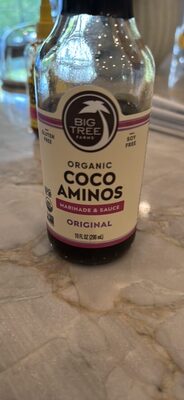
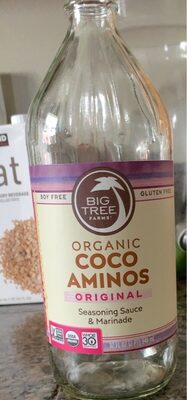
Learn more
Auto-generated content. This description was generated automatically and is pending editorial review. Inaccuracies are possible. Found a mistake? Contact us.