Cheese Blend Maltodextrin
What is Cheese Blend Maltodextrin?
Maltodextrin is a complex carbohydrate made from corn, rice, potato starch, or wheat. It is produced by breaking down starch through a process called hydrolysis. Maltodextrin is a white powder that dissolves easily in water.
Is Cheese Blend Maltodextrin vegan?
Cheese Blend Maltodextrin is not animal-derived. Products that contain it can still include other animal-derived ingredients, so check the full ingredient list.
Is Cheese Blend Maltodextrin gluten-free?
If derived from wheat, it may contain gluten, but typically the processing removes gluten proteins.
Is Cheese Blend Maltodextrin a major allergen?
Maltodextrin is not a major allergen.
What is Cheese Blend Maltodextrin used for?
Manufacturers add maltodextrin as a thickener, filler, or stabilizer.
Is Cheese Blend Maltodextrin safe?
Maltodextrin is generally recognized as safe (GRAS) by the FDA for use in food.
Why it's used
Manufacturers add maltodextrin as a thickener, filler, or stabilizer. It can also be used as a sweetener or to improve the texture and mouthfeel of foods. It is commonly found in processed snacks, baked goods, sauces, and dairy products.
Health notes
Maltodextrin is generally recognized as safe (GRAS) by the FDA for use in food. It is a carbohydrate that can raise blood sugar levels, so individuals managing diabetes should be mindful of its consumption. JECFA and EFSA have evaluated maltodextrin, and it is permitted for use in the EU. While generally safe, some research suggests it may affect gut bacteria, though more studies are needed.
Allergen info
Maltodextrin is not a major allergen. If derived from wheat, it may contain gluten, but typically the processing removes gluten proteins.
Foods that contain Cheese Blend Maltodextrin
Compare products →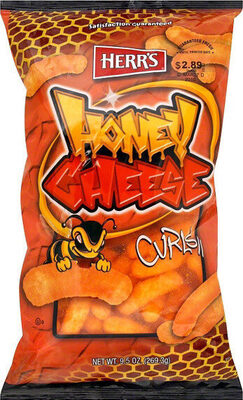
Learn more
Auto-generated content. This description was generated automatically and is pending editorial review. Inaccuracies are possible. Found a mistake? Contact us.