Citric Acid Caramel Color
What is Citric Acid Caramel Color?
Caramel color is a food coloring made by heating carbohydrates, such as sugar, with or without acids, alkalis, or sulfites. Citric acid caramel color is a specific type of caramel color produced using citric acid during the heating process. It is a dark brown liquid or powder used to give foods a brown hue.
Is Citric Acid Caramel Color vegan?
Citric Acid Caramel Color is not animal-derived. Products that contain it can still include other animal-derived ingredients, so check the full ingredient list.
Is Citric Acid Caramel Color gluten-free?
Caramel color is not derived from any of the nine major allergens and does not contain gluten.
What is Citric Acid Caramel Color used for?
Manufacturers use caramel color to add or restore color to foods, especially in baked goods, beverages, and sauces.
Is Citric Acid Caramel Color safe?
Caramel color is generally recognized as safe (GRAS) by the FDA for use in food.
Why it's used
Manufacturers use caramel color to add or restore color to foods, especially in baked goods, beverages, and sauces. It is commonly found in products like soft drinks, beer, soy sauce, and baked goods to provide a consistent brown appearance.
Health notes
Caramel color is generally recognized as safe (GRAS) by the FDA for use in food. Regulatory bodies like JECFA and EFSA have evaluated caramel colors. Some studies have raised concerns about certain compounds, like 4-MEI, which can be present in some caramel colors, but these are typically found at very low levels in consumed foods. The FDA continues to monitor scientific evidence on food additives.
Allergen info
Caramel color is not derived from any of the nine major allergens and does not contain gluten.
Foods that contain Citric Acid Caramel Color
Compare products →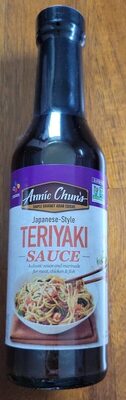
Learn more
Auto-generated content. This description was generated automatically and is pending editorial review. Inaccuracies are possible. Found a mistake? Contact us.