Clementine
What is Clementine?
Clementines are a hybrid of mandarin orange and sweet orange, believed to have originated in Algeria. They are a type of easy-peel citrus fruit, smaller and sweeter than oranges with a distinct flavor. They are typically eaten fresh or used in juices and desserts.
Is Clementine vegan?
Clementine is not animal-derived. Products that contain it can still include other animal-derived ingredients, so check the full ingredient list.
Is Clementine gluten-free?
Clementines are not derived from any of the nine FDA major allergens and do not contain gluten.
Is Clementine a major allergen?
Not a major allergen.
What is Clementine used for?
Clementines are primarily used for their natural sweet and tangy flavor in jams, jellies, marmalades, and fruit spreads.
Is Clementine safe?
Clementines are a natural fruit and are generally recognized as safe by the FDA.
Why it's used
Clementines are primarily used for their natural sweet and tangy flavor in jams, jellies, marmalades, and fruit spreads. They can also be incorporated into baked goods, salads, and beverages to add a bright citrus note. Their juice can be used as a flavoring agent or a liquid base.
Health notes
Clementines are a natural fruit and are generally recognized as safe by the FDA. They are a good source of Vitamin C and dietary fiber. Like other fruits, they contain natural sugars. Regulatory bodies like EFSA and JECFA have not set specific limits for whole fruits, as they are considered a whole food. No significant health controversies are associated with the consumption of clementines at typical dietary levels.
Allergen info
Not a major allergen. Clementines are not derived from any of the nine FDA major allergens and do not contain gluten.
Foods that contain Clementine
Compare products →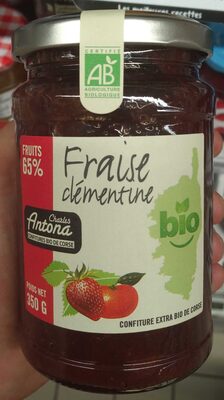 CHARLES ANTONA
Strawberry With Clementine Extra Organic Jam
229kcal
0.5Protein
0.8Fat
67.2Carbs
CHARLES ANTONA
Strawberry With Clementine Extra Organic Jam
229kcal
0.5Protein
0.8Fat
67.2Carbs
 George DeLallo Co., Inc.
Citrus Marmalade, Citrus
200kcal
0Protein
0Fat
50Carbs
Euro-USA Trading Co., Inc.
Citrus Ginger Organic Fruit Spread, Citrus Ginger
132kcal
0Protein
0Fat
31.6Carbs
Metro Corrugated & Packaging Corp.
Clementine Thyme Marmalade, Clementine Thyme
179kcal
0Protein
0Fat
—Carbs
George DeLallo Co., Inc.
Citrus Marmalade, Citrus
200kcal
0Protein
0Fat
50Carbs
Euro-USA Trading Co., Inc.
Citrus Ginger Organic Fruit Spread, Citrus Ginger
132kcal
0Protein
0Fat
31.6Carbs
Metro Corrugated & Packaging Corp.
Clementine Thyme Marmalade, Clementine Thyme
179kcal
0Protein
0Fat
—Carbs
Auto-generated content. This description was generated automatically and is pending editorial review. Inaccuracies are possible. Found a mistake? Contact us.