Cocoa Mass And Sea Salt
What is Cocoa Mass And Sea Salt?
Cocoa mass, also called chocolate liquor, is the solid base of chocolate. It is made from roasted cocoa beans that have been ground into a paste. Sea salt is salt harvested from evaporated seawater.
Is Cocoa Mass And Sea Salt vegan?
Cocoa Mass And Sea Salt is not animal-derived. Products that contain it can still include other animal-derived ingredients, so check the full ingredient list.
Is Cocoa Mass And Sea Salt gluten-free?
Neither contains gluten.
Is Cocoa Mass And Sea Salt a major allergen?
Cocoa mass is not one of the 9 FDA major allergens.
What is Cocoa Mass And Sea Salt used for?
Cocoa mass provides the primary chocolate flavor in products like candy, baked goods, and desserts.
Is Cocoa Mass And Sea Salt safe?
Cocoa mass is generally recognized as safe (GRAS) by the FDA.
Why it's used
Cocoa mass provides the primary chocolate flavor in products like candy, baked goods, and desserts. Sea salt is added to enhance flavors, balance sweetness, and provide a textural contrast in foods such as chocolate, snacks, and baked goods.
Health notes
Cocoa mass is generally recognized as safe (GRAS) by the FDA. Sea salt is also considered GRAS. Both are common food ingredients with no specific regulatory restrictions at typical consumption levels. International bodies like JECFA have evaluated cocoa and salt, but no specific numeric limits are typically cited for these ingredients in food.
Allergen info
Cocoa mass is not one of the 9 FDA major allergens. Sea salt is not a major allergen. Neither contains gluten.
Foods that contain Cocoa Mass And Sea Salt
Compare products →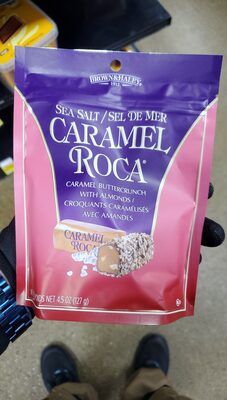 Brown & Haley
Sea Salt Caramel Roca Caramel Buttercrunch Toffee With Almonds And Sea Salt, Sea Salt Caramel
High in saturated fat — 30% DV per serving
High in added sugars — 32% DV per serving
556kcal
5.6Protein
38.9Fat
50Carbs
Brown & Haley
Caramel Buttercrunch Toffee With Almonds
High in saturated fat — 30% DV per serving
High in added sugars — 32% DV per serving
556kcal
5.6Protein
38.9Fat
50Carbs
Brown & Haley
Caramel Buttercrunch Toffee With Almonds And Sea Salt, Almonds And Sea Salt
High in saturated fat — 30% DV per serving
High in added sugars — 32% DV per serving
556kcal
5.6Protein
38.9Fat
50Carbs
Brown & Haley
Sea Salt Caramel Roca Caramel Buttercrunch Toffee With Almonds And Sea Salt, Sea Salt Caramel
High in saturated fat — 30% DV per serving
High in added sugars — 32% DV per serving
556kcal
5.6Protein
38.9Fat
50Carbs
Brown & Haley
Sea Salt Caramel Roca Buttercrunch Toffee With Almonds And Sea Salt, Sea Salt Caramel
High in saturated fat — 30% DV per serving
High in added sugars — 32% DV per serving
556kcal
5.6Protein
38.9Fat
50Carbs
Brown & Haley
Sea Salt Caramel Roca Caramel Buttercrunch Toffee With Almonds And Sea Salt, Sea Salt Caramel
High in saturated fat — 30% DV per serving
High in added sugars — 32% DV per serving
556kcal
5.6Protein
38.9Fat
50Carbs
Brown & Haley
Caramel Buttercrunch Toffee With Almonds
High in saturated fat — 30% DV per serving
High in added sugars — 32% DV per serving
556kcal
5.6Protein
38.9Fat
50Carbs
Brown & Haley
Caramel Buttercrunch Toffee With Almonds And Sea Salt, Almonds And Sea Salt
High in saturated fat — 30% DV per serving
High in added sugars — 32% DV per serving
556kcal
5.6Protein
38.9Fat
50Carbs
Brown & Haley
Sea Salt Caramel Roca Caramel Buttercrunch Toffee With Almonds And Sea Salt, Sea Salt Caramel
High in saturated fat — 30% DV per serving
High in added sugars — 32% DV per serving
556kcal
5.6Protein
38.9Fat
50Carbs
Brown & Haley
Sea Salt Caramel Roca Buttercrunch Toffee With Almonds And Sea Salt, Sea Salt Caramel
High in saturated fat — 30% DV per serving
High in added sugars — 32% DV per serving
556kcal
5.6Protein
38.9Fat
50Carbs
Learn more
Auto-generated content. This description was generated automatically and is pending editorial review. Inaccuracies are possible. Found a mistake? Contact us.