Coffea Arabica Extract
What is Coffea Arabica Extract?
Coffea Arabica extract is derived from the beans of the Coffea Arabica plant, one of the most popular species of coffee. The beans are typically roasted and then extracted using water or solvents to capture their characteristic flavor and aroma compounds.
Is Coffea Arabica Extract vegan?
Coffea Arabica Extract is not animal-derived. Products that contain it can still include other animal-derived ingredients, so check the full ingredient list.
Is Coffea Arabica Extract gluten-free?
It is not derived from any of the nine FDA major allergens, nor does it contain gluten.
Is Coffea Arabica Extract a major allergen?
Not a major allergen.
What is Coffea Arabica Extract used for?
This extract is primarily used as a flavoring agent in foods and beverages, especially in coffee-flavored products, energy drinks, and baked goods.
Is Coffea Arabica Extract safe?
Coffea Arabica extract is generally recognized as safe (GRAS) by the FDA when used as a flavoring.
Why it's used
This extract is primarily used as a flavoring agent in foods and beverages, especially in coffee-flavored products, energy drinks, and baked goods. It provides a natural coffee taste and aroma without the need for brewed coffee.
Health notes
Coffea Arabica extract is generally recognized as safe (GRAS) by the FDA when used as a flavoring. It contains caffeine, a stimulant that can affect the central nervous system. JECFA has evaluated caffeine and established an acceptable daily intake. Excessive caffeine intake can lead to jitteriness, anxiety, and sleep disturbances in sensitive individuals.
Allergen info
Not a major allergen. It is not derived from any of the nine FDA major allergens, nor does it contain gluten.
Foods that contain Coffea Arabica Extract
Compare products →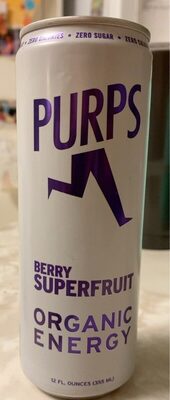
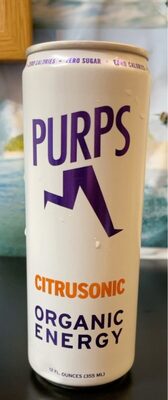
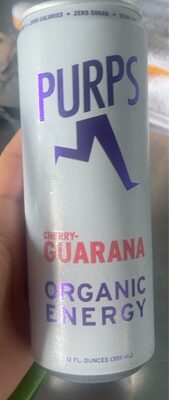
Learn more
Auto-generated content. This description was generated automatically and is pending editorial review. Inaccuracies are possible. Found a mistake? Contact us.