Contains 2% Or Less: Invert Sugar
What is Contains 2% Or Less: Invert Sugar?
Invert sugar is a liquid sweetener made by breaking down sucrose (table sugar) into its two simpler sugar components: glucose and fructose. This process, called hydrolysis, typically involves heating sucrose with water and an acid or an enzyme.
Is Contains 2% Or Less: Invert Sugar a major allergen?
Not a major allergen.
What is Contains 2% Or Less: Invert Sugar used for?
Manufacturers use invert sugar because it is sweeter than sucrose and helps keep foods moist and fresh.
Is Contains 2% Or Less: Invert Sugar safe?
Invert sugar is generally recognized as safe (GRAS) by the FDA as a food ingredient.
Why it's used
Manufacturers use invert sugar because it is sweeter than sucrose and helps keep foods moist and fresh. It also prevents sugar crystallization, leading to a smoother texture in products like ice cream, candies, and baked goods.
Health notes
Invert sugar is generally recognized as safe (GRAS) by the FDA as a food ingredient. As a source of glucose and fructose, it provides calories and its consumption contributes to the total amount of added sugars in the diet. The current Dietary Guidelines for Americans recommend limiting added sugars. Like all sugars, excessive intake can contribute to dental cavities and other health issues. JECFA has not set an acceptable daily intake for invert sugar, as it is a basic food component rather than a food additive with specific safety concerns.
Allergen info
Not a major allergen.
Foods that contain Contains 2% Or Less: Invert Sugar
Compare products →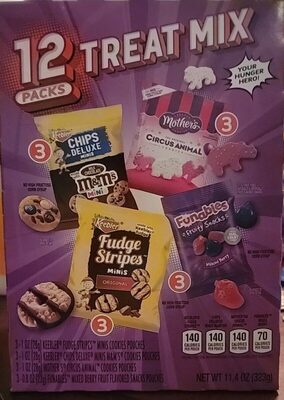
Learn more
Auto-generated content. This description was generated automatically and is pending editorial review. Inaccuracies are possible. Found a mistake? Contact us.