Contains 2% Orless Of: Salt
What is Contains 2% Orless Of: Salt?
Salt, also known as sodium chloride, is a mineral that is essential for life. It is found naturally in seawater and underground deposits. Salt is typically harvested through evaporation of seawater or by mining rock salt.
Is Contains 2% Orless Of: Salt vegan?
Contains 2% Orless Of: Salt is not animal-derived. Products that contain it can still include other animal-derived ingredients, so check the full ingredient list.
Is Contains 2% Orless Of: Salt a major allergen?
Not a major allergen.
What is Contains 2% Orless Of: Salt used for?
Salt is primarily used as a flavor enhancer and preservative in many foods.
Is Contains 2% Orless Of: Salt safe?
Salt is a source of sodium, and the FDA sets the Daily Value for sodium at 2,300 mg per day.
Why it's used
Salt is primarily used as a flavor enhancer and preservative in many foods. It can also help to control the growth of bacteria, improve texture, and act as a binder in processed foods. Salt is found in a wide variety of products, including pickles, olives, relishes, and prepared meats.
Health notes
Salt is a source of sodium, and the FDA sets the Daily Value for sodium at 2,300 mg per day. High sodium intake is linked to increased blood pressure in some people. The WHO recommends limiting sodium intake. JECFA has evaluated salt and its components. Evidence suggests that reducing sodium intake can benefit cardiovascular health.
Allergen info
Not a major allergen.
Foods that contain Contains 2% Orless Of: Salt
Compare products →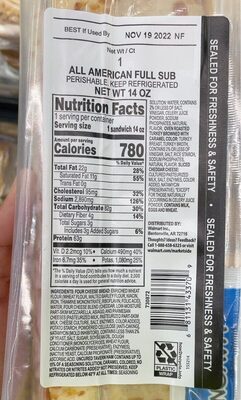
Learn more
Auto-generated content. This description was generated automatically and is pending editorial review. Inaccuracies are possible. Found a mistake? Contact us.