Contains Less Than 0.5% Of: Monk Fruit Juice Concentrate
What is Contains Less Than 0.5% Of: Monk Fruit Juice Concentrate?
Monk fruit juice concentrate is a sweetener made from the monk fruit, a small, round fruit native to Southeast Asia. The fruit is typically dried and then extracted to create a concentrated liquid sweetener.
Is Contains Less Than 0.5% Of: Monk Fruit Juice Concentrate vegan?
Contains Less Than 0.5% Of: Monk Fruit Juice Concentrate is not animal-derived. Products that contain it can still include other animal-derived ingredients, so check the full ingredient list.
Is Contains Less Than 0.5% Of: Monk Fruit Juice Concentrate gluten-free?
Monk fruit is not one of the FDA's nine major allergens, nor is it typically associated with gluten.
What is Contains Less Than 0.5% Of: Monk Fruit Juice Concentrate used for?
Manufacturers use monk fruit juice concentrate as a natural, low-calorie sweetener.
Is Contains Less Than 0.5% Of: Monk Fruit Juice Concentrate safe?
Monk fruit extract is Generally Recognized As Safe (GRAS) by the FDA for use as a sweetener.
Why it's used
Manufacturers use monk fruit juice concentrate as a natural, low-calorie sweetener. It is often found in beverages, dairy products, baked goods, and confectionery.
Health notes
Monk fruit extract is Generally Recognized As Safe (GRAS) by the FDA for use as a sweetener. It is a non-nutritive sweetener, meaning it provides sweetness without significant calories. JECFA has evaluated monk fruit extracts and established specifications for their identity and purity.
Allergen info
Monk fruit is not one of the FDA's nine major allergens, nor is it typically associated with gluten.
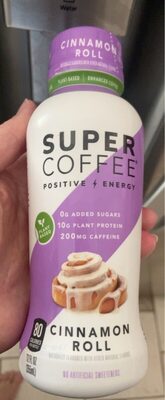
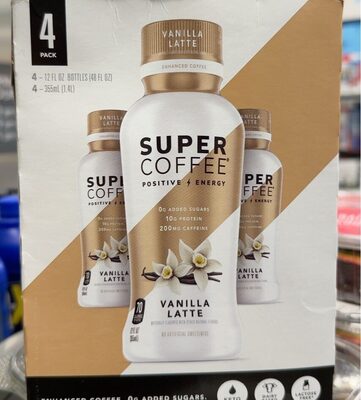
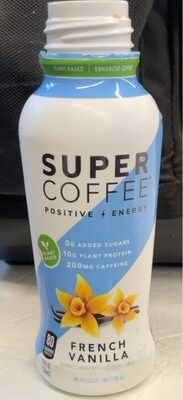
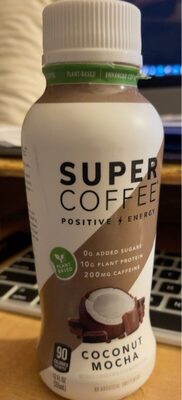
Foods that contain Contains Less Than 0.5% Of: Monk Fruit Juice Concentrate
Compare products →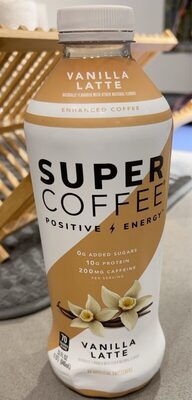
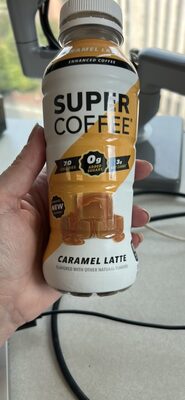
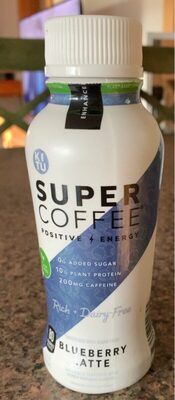
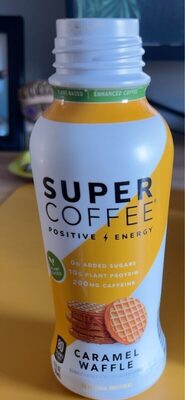
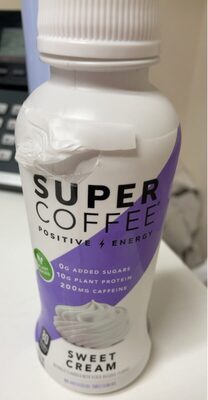
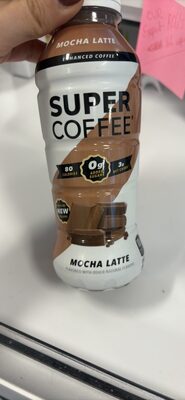
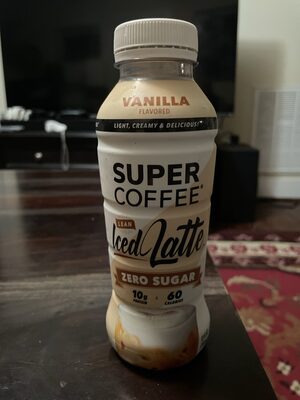
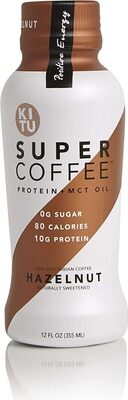
Learn more
Auto-generated content. This description was generated automatically and is pending editorial review. Inaccuracies are possible. Found a mistake? Contact us.