Contains Less Than 2% Acesulfame Potassium
What is Contains Less Than 2% Acesulfame Potassium?
Acesulfame potassium, often called Ace-K, is a high-intensity artificial sweetener. It is synthesized from acetoacetic acid and is about 200 times sweeter than table sugar. It is heat-stable and can be used in baking and cooking.
Is Contains Less Than 2% Acesulfame Potassium vegan?
Contains Less Than 2% Acesulfame Potassium is not animal-derived. Products that contain it can still include other animal-derived ingredients, so check the full ingredient list.
Is Contains Less Than 2% Acesulfame Potassium a major allergen?
Not a major allergen.
What is Contains Less Than 2% Acesulfame Potassium used for?
Ace-K is used to provide sweetness in a variety of sugar-free and reduced-sugar products.
Is Contains Less Than 2% Acesulfame Potassium safe?
Acesulfame potassium is approved by the FDA as a food additive.
Why it's used
Ace-K is used to provide sweetness in a variety of sugar-free and reduced-sugar products. It is often blended with other sweeteners like aspartame or sucralose to create a more sugar-like taste. It is commonly found in diet beverages, sugar-free desserts, chewing gum, and tabletop sweeteners.
Health notes
Acesulfame potassium is approved by the FDA as a food additive. The Joint FAO/WHO Expert Committee on Food Additives (JECFA) and the European Food Safety Authority (EFSA) have evaluated it. Some studies have raised questions about its long-term effects, but major regulatory bodies consider it safe at typical consumption levels. Evidence on its potential health effects is mixed and ongoing.
Allergen info
Not a major allergen. Acesulfame potassium is synthesized and does not contain proteins from major allergens.
Foods that contain Contains Less Than 2% Acesulfame Potassium
Compare products →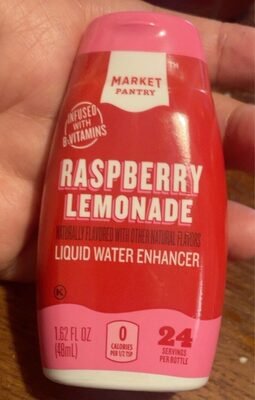 Target Stores
Raspberry Lemonade Liquid Water Enhancer, Raspberry Lemonade
0kcal
0Protein
0Fat
50Carbs
Target Stores
Raspberry Lemonade Liquid Water Enhancer, Raspberry Lemonade
0kcal
0Protein
0Fat
50Carbs
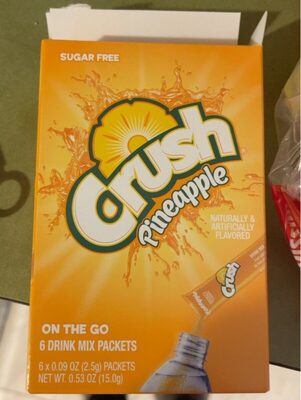 Juicy Mixes LLC
Pineapple Drink Mix Packets, Pineapple
200kcal
0Protein
0Fat
80Carbs
The Kroger Co.
Kroger, Instant Drink Mix, Lite Strawberry, Kiwi, Lite Strawberry, Kiwi
357kcal
0Protein
0Fat
0Carbs
Target Stores
Strawberry Watermelon Flavored Liquid Water Enhancer, Strawberry Watermelon
0kcal
0Protein
0Fat
50Carbs
Target Stores
Strawberry Watermelon Flavored Liquid Water Enhancer, Strawberry Watermelon
0kcal
0Protein
0Fat
50Carbs
Juicy Mixes LLC
Pineapple Drink Mix Packets, Pineapple
200kcal
0Protein
0Fat
80Carbs
The Kroger Co.
Kroger, Instant Drink Mix, Lite Strawberry, Kiwi, Lite Strawberry, Kiwi
357kcal
0Protein
0Fat
0Carbs
Target Stores
Strawberry Watermelon Flavored Liquid Water Enhancer, Strawberry Watermelon
0kcal
0Protein
0Fat
50Carbs
Target Stores
Strawberry Watermelon Flavored Liquid Water Enhancer, Strawberry Watermelon
0kcal
0Protein
0Fat
50Carbs
Learn more
Auto-generated content. This description was generated automatically and is pending editorial review. Inaccuracies are possible. Found a mistake? Contact us.