Corn Silk
What is Corn Silk?
Corn silk refers to the fine, thread-like strands that grow from the ends of corn ears. These silks are typically removed before the corn is eaten or processed. They are dried and often ground into a powder or used in teas.
Is Corn Silk vegan?
Corn Silk is not animal-derived. Products that contain it can still include other animal-derived ingredients, so check the full ingredient list.
Is Corn Silk a major allergen?
Not a major allergen.
What is Corn Silk used for?
Corn silk is most often used as an herbal ingredient in teas, particularly those marketed for digestive or urinary tract support.
Is Corn Silk safe?
Corn silk is generally recognized as safe (GRAS) by the FDA for use as a food ingredient.
Why it's used
Corn silk is most often used as an herbal ingredient in teas, particularly those marketed for digestive or urinary tract support. It can also be found in some spice blends. Its mild flavor and traditional use contribute to its presence in these products.
Health notes
Corn silk is generally recognized as safe (GRAS) by the FDA for use as a food ingredient. It is not typically evaluated by bodies like JECFA or EFSA as it is considered a food ingredient rather than a food additive. Research into its health effects is ongoing, with some studies suggesting potential benefits for hydration and as a mild diuretic, but more robust clinical trials are needed.
Allergen info
Not a major allergen. Corn is not one of the nine major allergens recognized by the FDA.
Foods that contain Corn Silk
Compare products →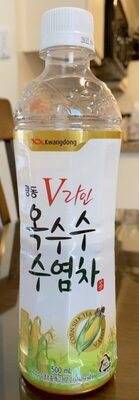
Auto-generated content. This description was generated automatically and is pending editorial review. Inaccuracies are possible. Found a mistake? Contact us.