Corn Syrup Caramel Color
What is Corn Syrup Caramel Color?
Caramel color is a dark brown food coloring made by heating sugars, often corn syrup, under controlled conditions. The process can involve acids, alkalis, or sulfites. It provides a range of brown shades, from light yellow-brown to dark brown.
Is Corn Syrup Caramel Color gluten-free?
It does not contain gluten.
Is Corn Syrup Caramel Color a major allergen?
Caramel color is not derived from any of the 9 major allergens.
What is Corn Syrup Caramel Color used for?
Manufacturers use caramel color to give foods a uniform brown appearance, mimicking the color of cooked or roasted ingredients.
Is Corn Syrup Caramel Color safe?
Caramel color is generally recognized as safe (GRAS) by the FDA for use in food.
Why it's used
Manufacturers use caramel color to give foods a uniform brown appearance, mimicking the color of cooked or roasted ingredients. It's commonly found in baked goods, soft drinks, sauces, gravies, and confectionery.
Health notes
Caramel color is generally recognized as safe (GRAS) by the FDA for use in food. Regulatory bodies like JECFA and EFSA have evaluated caramel color. Some types of caramel color may contain small amounts of 4-MEI, a byproduct of the manufacturing process, but levels are generally considered safe at typical consumption levels. Evidence does not suggest adverse health effects from typical consumption.
Allergen info
Caramel color is not derived from any of the 9 major allergens. It does not contain gluten.
Foods that contain Corn Syrup Caramel Color
Compare products →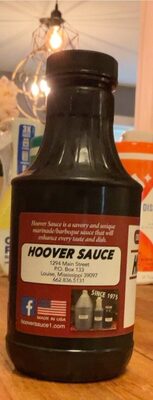 Reed Food Technology, Inc.
Original Flavor Gourmet Marinade, Original
150kcal
0Protein
0Fat
40Carbs
Reed Food Technology, Inc.
Original Flavor Gourmet Marinade, Original
150kcal
0Protein
0Fat
40Carbs
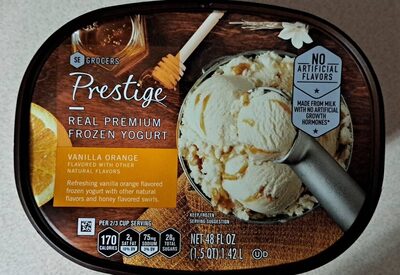 Winn-Dixie Stores, Inc.
Vanilla Orange Flavored Real Premium Frozen Yogurt, Vanilla Orange
High in added sugars — 44% DV per serving
177kcal
4.2Protein
3.1Fat
32.3Carbs
Target Stores
Savory Tavern & Bar Snack Blend, Savory Tavern & Bar
438kcal
9.4Protein
15.6Fat
68.8Carbs
Winn-Dixie Stores, Inc.
Vanilla Orange Flavored Real Premium Frozen Yogurt, Vanilla Orange
High in added sugars — 44% DV per serving
177kcal
4.2Protein
3.1Fat
32.3Carbs
Target Stores
Savory Tavern & Bar Snack Blend, Savory Tavern & Bar
438kcal
9.4Protein
15.6Fat
68.8Carbs
Learn more
Auto-generated content. This description was generated automatically and is pending editorial review. Inaccuracies are possible. Found a mistake? Contact us.