Crushed Mint Candies
What is Crushed Mint Candies?
Crushed mint candies are small, irregularly shaped pieces of candy, typically flavored with peppermint or spearmint. They are made by breaking down larger mint candies into smaller fragments. These fragments are used to add flavor, sweetness, and a crunchy texture to various food products.
Is Crushed Mint Candies a major allergen?
Crushed mint candies themselves are not a major allergen.
What is Crushed Mint Candies used for?
Manufacturers add crushed mint candies primarily for their distinctive mint flavor, sweetness, and textural contrast.
Is Crushed Mint Candies safe?
Crushed mint candies are a food ingredient, not a single chemical additive, and their safety depends on the safety of their individual components.
Why it's used
Manufacturers add crushed mint candies primarily for their distinctive mint flavor, sweetness, and textural contrast. They are frequently used as toppings or inclusions in desserts like ice cream, chocolate bars, and baked goods. They also appear in snack foods such as popcorn and trail mixes.
Health notes
Crushed mint candies are a food ingredient, not a single chemical additive, and their safety depends on the safety of their individual components. As a candy product, they contribute added sugars to the diet. The 2025-2030 Dietary Guidelines for Americans recommend no amount of added sugars, and at most 10 grams per meal. JECFA and EFSA typically evaluate individual food additives rather than composite food ingredients like crushed mint candies.
Allergen info
Crushed mint candies themselves are not a major allergen. However, depending on the specific candies used, they may contain common allergens such as milk or soy.
Foods that contain Crushed Mint Candies
Compare products →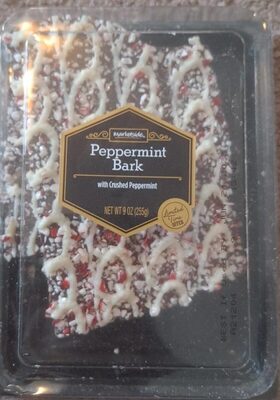 Wal-Mart Stores, Inc.
Peppermint Bark With Crushed Peppermint, Peppermint
High in saturated fat — 22% DV per serving
High in added sugars — 30% DV per serving
464kcal
3.6Protein
25Fat
67.9Carbs
Palmer Candy Company
Peppermint Sweet & Crunchy Coated Popcorn Sprinkled With Peppermint Chips Snowballs, Peppermint
High in saturated fat — 22% DV per serving
High in added sugars — 36% DV per serving
467kcal
3.3Protein
20Fat
73.3Carbs
Wal-Mart Stores, Inc.
Peppermint Bark, Peppermint
High in saturated fat — 22% DV per serving
High in added sugars — 30% DV per serving
433kcal
3.3Protein
23.3Fat
63.3Carbs
Palmer Candy Company
Peppermint Pretzels White Fudge Covered Pretzel Sprinkled With Peppermint Candies, Peppermint
High in saturated fat — 22% DV per serving
High in added sugars — 24% DV per serving
—kcal
6.7Protein
16.7Fat
73.3Carbs
Wal-Mart Stores, Inc.
Peppermint Bark With Crushed Peppermint, Peppermint
High in saturated fat — 22% DV per serving
High in added sugars — 30% DV per serving
464kcal
3.6Protein
25Fat
67.9Carbs
Palmer Candy Company
Peppermint Sweet & Crunchy Coated Popcorn Sprinkled With Peppermint Chips Snowballs, Peppermint
High in saturated fat — 22% DV per serving
High in added sugars — 36% DV per serving
467kcal
3.3Protein
20Fat
73.3Carbs
Wal-Mart Stores, Inc.
Peppermint Bark, Peppermint
High in saturated fat — 22% DV per serving
High in added sugars — 30% DV per serving
433kcal
3.3Protein
23.3Fat
63.3Carbs
Palmer Candy Company
Peppermint Pretzels White Fudge Covered Pretzel Sprinkled With Peppermint Candies, Peppermint
High in saturated fat — 22% DV per serving
High in added sugars — 24% DV per serving
—kcal
6.7Protein
16.7Fat
73.3Carbs
Learn more
Auto-generated content. This description was generated automatically and is pending editorial review. Inaccuracies are possible. Found a mistake? Contact us.