Cultured Swiss Chard
What is Cultured Swiss Chard?
Cultured Swiss chard is a fermented form of the leafy green vegetable Swiss chard. It is made by allowing the chard to undergo lactic acid fermentation, similar to how sauerkraut is made from cabbage. This process can enhance its flavor and potentially its nutritional profile.
Is Cultured Swiss Chard vegan?
Cultured Swiss Chard is not animal-derived. Products that contain it can still include other animal-derived ingredients, so check the full ingredient list.
Is Cultured Swiss Chard gluten-free?
It does not contain gluten.
Is Cultured Swiss Chard a major allergen?
Swiss chard is not one of the nine major allergens recognized by the FDA.
What is Cultured Swiss Chard used for?
Manufacturers may use cultured Swiss chard as a flavoring agent or a source of probiotics in fermented foods.
Is Cultured Swiss Chard safe?
Cultured Swiss chard is generally recognized as safe (GRAS) by the FDA when used as a food ingredient.
Why it's used
Manufacturers may use cultured Swiss chard as a flavoring agent or a source of probiotics in fermented foods. It is most commonly found in cured meats like pepperoni, salami, and cold cuts, where it can contribute a tangy flavor and act as a natural preservative.
Health notes
Cultured Swiss chard is generally recognized as safe (GRAS) by the FDA when used as a food ingredient. Fermentation can increase the bioavailability of certain nutrients and introduce beneficial probiotics. Regulatory bodies like EFSA have evaluated fermented foods, but specific evaluations for cultured Swiss chard are not widely published. Evidence on the health benefits of probiotics from fermented vegetables is ongoing.
Allergen info
Swiss chard is not one of the nine major allergens recognized by the FDA. It does not contain gluten.
Foods that contain Cultured Swiss Chard
Compare products →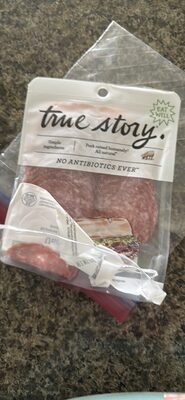 Fork in the Road Foods LLC
Uncured Genoa Salame, Uncured Genoa
High in sodium — 24% DV per serving
393kcal
28.6Protein
28.6Fat
3.6Carbs
Euro Foods Inc.
Bresaola Dry-Cured Beef, Bresaola
High in sodium — 20% DV per serving
179kcal
35.7Protein
3.6Fat
3.6Carbs
Wegmans Food Markets, Inc.
Hot Uncured Sopressata Salami, Hot Uncured Sopressata
393kcal
21.4Protein
25Fat
0Carbs
New Seasons Market, LLC
Black Pepper Salami, Black Pepper
High in sodium — 20% DV per serving
321kcal
25Protein
21.4Fat
3.6Carbs
Wegmans Food Markets, Inc.
Uncured Hard Salami, Uncured
High in cholesterol — 20% DV per serving
429kcal
17.9Protein
35.7Fat
3.6Carbs
Wegmans Food Markets, Inc.
Italian Classics Hot Uncured Sopressata Salami, Italian
High in sodium — 20% DV per serving
357kcal
21.4Protein
25Fat
3.6Carbs
Fork in the Road Foods LLC
Uncured Genoa Salame, Uncured Genoa
High in sodium — 24% DV per serving
393kcal
28.6Protein
28.6Fat
3.6Carbs
Euro Foods Inc.
Bresaola Dry-Cured Beef, Bresaola
High in sodium — 20% DV per serving
179kcal
35.7Protein
3.6Fat
3.6Carbs
Wegmans Food Markets, Inc.
Hot Uncured Sopressata Salami, Hot Uncured Sopressata
393kcal
21.4Protein
25Fat
0Carbs
New Seasons Market, LLC
Black Pepper Salami, Black Pepper
High in sodium — 20% DV per serving
321kcal
25Protein
21.4Fat
3.6Carbs
Wegmans Food Markets, Inc.
Uncured Hard Salami, Uncured
High in cholesterol — 20% DV per serving
429kcal
17.9Protein
35.7Fat
3.6Carbs
Wegmans Food Markets, Inc.
Italian Classics Hot Uncured Sopressata Salami, Italian
High in sodium — 20% DV per serving
357kcal
21.4Protein
25Fat
3.6Carbs
Auto-generated content. This description was generated automatically and is pending editorial review. Inaccuracies are possible. Found a mistake? Contact us.