Dark Brown Cane Sugar
What is Dark Brown Cane Sugar?
Dark brown cane sugar is a type of sucrose derived from sugar cane. It is made by either leaving some of the molasses with the sugar crystals during processing or by adding molasses back to refined white sugar. The molasses gives it its characteristic dark color, moist texture, and distinct flavor.
Is Dark Brown Cane Sugar vegan?
Dark Brown Cane Sugar is not animal-derived. Products that contain it can still include other animal-derived ingredients, so check the full ingredient list.
Is Dark Brown Cane Sugar a major allergen?
Not a major allergen.
What is Dark Brown Cane Sugar used for?
Manufacturers add dark brown cane sugar primarily as a sweetener to enhance the taste of foods.
Is Dark Brown Cane Sugar safe?
Dark brown cane sugar is generally recognized as safe (GRAS) by the FDA.
Why it's used
Manufacturers add dark brown cane sugar primarily as a sweetener to enhance the taste of foods. It also contributes a rich, caramel-like flavor and a moist texture, making it popular in baked goods, sauces, and desserts like ice cream and frozen yogurt.
Health notes
Dark brown cane sugar is generally recognized as safe (GRAS) by the FDA. As a carbohydrate, it provides energy (calories). The 2025-2030 Dietary Guidelines for Americans recommend no specific amount of added sugars, but suggest limiting intake to at most 10 grams per meal. Excessive intake of added sugars, including dark brown cane sugar, is associated with increased calorie intake without essential nutrients.
Allergen info
Not a major allergen.
Foods that contain Dark Brown Cane Sugar
Compare products →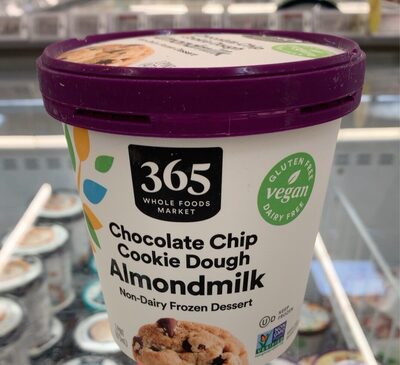 Whole Foods Market, Inc.
Chocolate Chip Cookie Dough Almondmilk Non-Dairy Frozen Dessert, Chocolate Chip Cookie Dough
High in saturated fat — 45% DV per serving
High in added sugars — 40% DV per serving
229kcal
1.8Protein
11.0Fat
—Carbs
Whole Foods Market, Inc.
Chocolate Chip Cookie Dough Almondmilk Non-Dairy Frozen Dessert, Chocolate Chip Cookie Dough
High in saturated fat — 45% DV per serving
High in added sugars — 40% DV per serving
229kcal
1.8Protein
11.0Fat
—Carbs
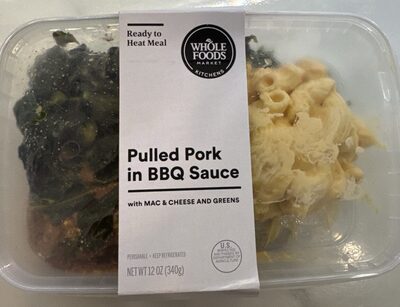 Amazon Fulfillment Services, Inc. - Consumables Private Brands
Pulled Pork In BBQ Sauce With Mac & Cheese And Greens, BBQ Sauce
High in sodium — 46% DV per serving
High in saturated fat — 75% DV per serving
High in cholesterol — 35% DV per serving
185kcal
8.8Protein
10.3Fat
13.5Carbs
Danone US, LLC
Soymilk Cookie Dough Non-Dairy Frozen Dessert, Soymilk
216kcal
1.0Protein
9.3Fat
35.0Carbs
Paradigm Foodworks, Inc.
Browned Butter Caramel Dessert Sauce, Browned Butter Caramel
High in saturated fat — 23% DV per serving
High in added sugars — 36% DV per serving
457kcal
0Protein
20Fat
68.6Carbs
Amazon Fulfillment Services, Inc. - Consumables Private Brands
Pulled Pork In BBQ Sauce With Mac & Cheese And Greens, BBQ Sauce
High in sodium — 46% DV per serving
High in saturated fat — 75% DV per serving
High in cholesterol — 35% DV per serving
185kcal
8.8Protein
10.3Fat
13.5Carbs
Danone US, LLC
Soymilk Cookie Dough Non-Dairy Frozen Dessert, Soymilk
216kcal
1.0Protein
9.3Fat
35.0Carbs
Paradigm Foodworks, Inc.
Browned Butter Caramel Dessert Sauce, Browned Butter Caramel
High in saturated fat — 23% DV per serving
High in added sugars — 36% DV per serving
457kcal
0Protein
20Fat
68.6Carbs
Learn more
Auto-generated content. This description was generated automatically and is pending editorial review. Inaccuracies are possible. Found a mistake? Contact us.