Dark Caramel Syrup
What is Dark Caramel Syrup?
Dark caramel syrup is a concentrated liquid sweetener made from caramelized sugar. It is produced by heating sugars, such as sucrose or corn syrup, until they turn brown and develop a distinct flavor. Further processing can create a syrup with a deeper color and more intense flavor.
Is Dark Caramel Syrup vegan?
Dark Caramel Syrup is not animal-derived. Products that contain it can still include other animal-derived ingredients, so check the full ingredient list.
Is Dark Caramel Syrup gluten-free?
It does not contain gluten.
Is Dark Caramel Syrup a major allergen?
Dark caramel syrup is not derived from any of the nine major FDA allergens.
What is Dark Caramel Syrup used for?
Manufacturers use dark caramel syrup primarily as a sweetener and for its rich, brown color.
Is Dark Caramel Syrup safe?
Caramel color is generally recognized as safe (GRAS) by the FDA for use as a food coloring.
Why it's used
Manufacturers use dark caramel syrup primarily as a sweetener and for its rich, brown color. It adds a complex, slightly bitter, and sweet flavor profile to foods. It is commonly found in baked goods, desserts, yogurt, coffee beverages, and sauces.
Health notes
Caramel color is generally recognized as safe (GRAS) by the FDA for use as a food coloring. It is made by heating carbohydrates and is not associated with significant health concerns at typical consumption levels. Regulatory bodies like JECFA and EFSA have evaluated caramel colors. Some studies have raised questions about certain compounds formed during caramelization, but current scientific consensus and regulatory evaluations do not indicate a health risk from typical intake.
Allergen info
Dark caramel syrup is not derived from any of the nine major FDA allergens. It does not contain gluten.
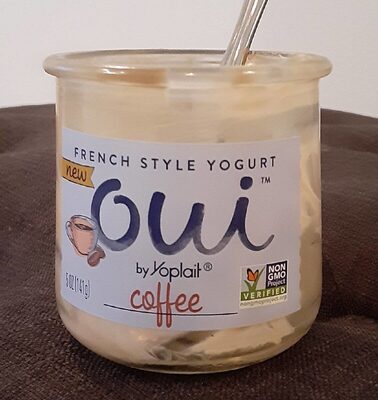
Foods that contain Dark Caramel Syrup
Compare products →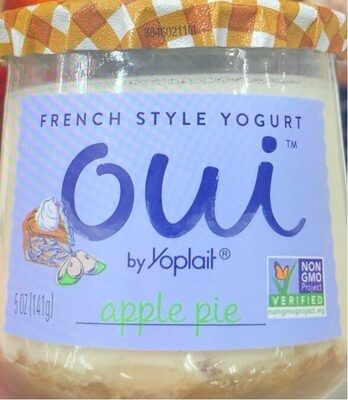
Learn more
Auto-generated content. This description was generated automatically and is pending editorial review. Inaccuracies are possible. Found a mistake? Contact us.