De-waxed
Auto-generated content. This description was generated automatically and is pending editorial review. Inaccuracies are possible. Found a mistake? Contact us.
What it is
De-waxing is a process used to remove natural waxes from certain foods, such as fruits and vegetables, to improve their appearance and texture. This is often done using water or food-grade solvents. The goal is to create a smoother surface and prevent the product from appearing dull.
Why it's used
De-waxing is primarily used to enhance the visual appeal of fruits and vegetables, making them look fresher and more appealing to consumers. It can also help in better adhesion of coatings, like chocolate or glazes, in processed foods. It is commonly found in products like dried fruits, chocolate-covered items, and sometimes in processed nuts.
Health notes
De-waxing itself is a physical process and does not add ingredients that have specific health implications. The FDA considers the resulting products to be safe. Regulatory bodies like JECFA and EFSA have not specifically evaluated 'de-waxed' as an ingredient, as it refers to a processing method rather than a distinct chemical additive. There are no known health controversies associated with this processing method when done according to food safety standards.
Allergen info
Not a major allergen. The de-waxing process itself does not introduce major allergens unless the original food source is an allergen.
Products containing De-waxed
Compare products →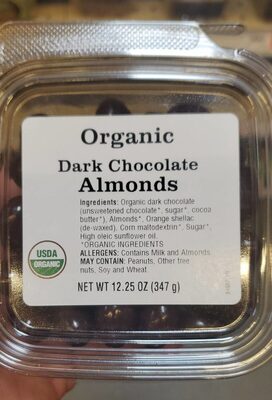 Jo-Lee Food Products, Inc.
Dark Chocolate Organic Almonds, Dark Chocolate
High in saturated fat — 30% DV per serving
533kcal
10Protein
—Fat
46.7Carbs
Jo-Lee Food Products, Inc.
Dark Chocolate Organic Almonds, Dark Chocolate
High in saturated fat — 30% DV per serving
533kcal
10Protein
—Fat
46.7Carbs
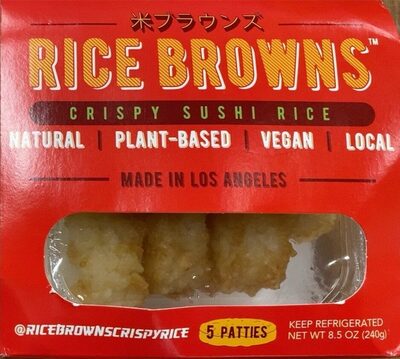 Lumbermen's
Crispy Sushi Rice Patties, Crispy Sushi Rice
271kcal
4.2Protein
12.5Fat
35.4Carbs
Jo-Lee Food Products, Inc.
Dark Chocolate Organic Raisins, Dark Chocolate
400kcal
3.3Protein
20Fat
66.7Carbs
Lumbermen's
Crispy Sushi Rice Patties, Crispy Sushi Rice
271kcal
4.2Protein
12.5Fat
35.4Carbs
Jo-Lee Food Products, Inc.
Dark Chocolate Organic Raisins, Dark Chocolate
400kcal
3.3Protein
20Fat
66.7Carbs