Corn Maltodextrin
What is Corn Maltodextrin?
Corn maltodextrin is a white powder made from corn starch. It is produced by a process called partial hydrolysis, which breaks down the starch into smaller carbohydrate chains.
Is Corn Maltodextrin vegan?
Corn Maltodextrin is not animal-derived. Products that contain it can still include other animal-derived ingredients, so check the full ingredient list.
Is Corn Maltodextrin gluten-free?
It is typically gluten-free.
Is Corn Maltodextrin a major allergen?
Corn maltodextrin is not considered a major allergen.
What is Corn Maltodextrin used for?
Manufacturers add corn maltodextrin as a bulking agent, thickener, and stabilizer.
Is Corn Maltodextrin safe?
In the United States, corn maltodextrin is generally recognized as safe (GRAS) by the FDA.
Why it's used
Manufacturers add corn maltodextrin as a bulking agent, thickener, and stabilizer. It can also improve texture and act as a mild sweetener in foods like snacks, drinks, and seasoning mixes.
Health notes
In the United States, corn maltodextrin is generally recognized as safe (GRAS) by the FDA. It is a carbohydrate that is easily digested and provides energy. The Joint FAO/WHO Expert Committee on Food Additives (JECFA) has evaluated maltodextrin and determined that a specific acceptable daily intake (ADI) is not necessary. The European Food Safety Authority (EFSA) also considers it safe for use in food.
Allergen info
Corn maltodextrin is not considered a major allergen. It is typically gluten-free.
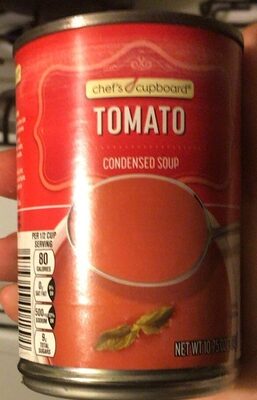
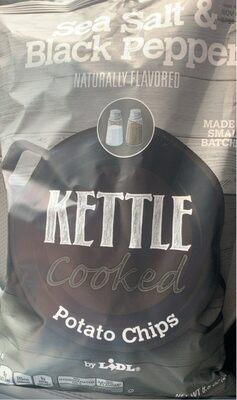
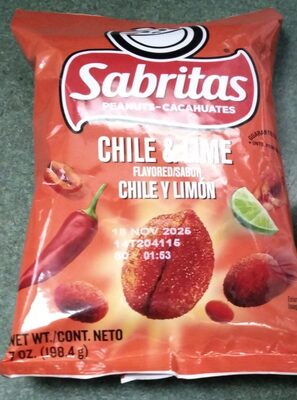
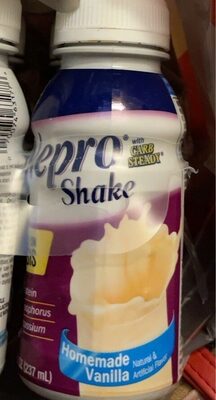
Foods that contain Corn Maltodextrin
Compare products →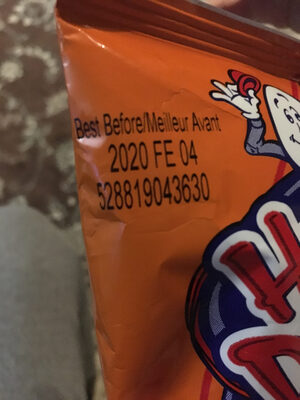
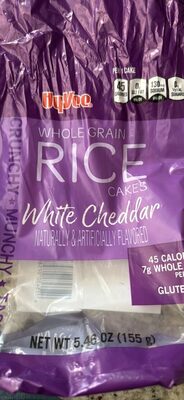
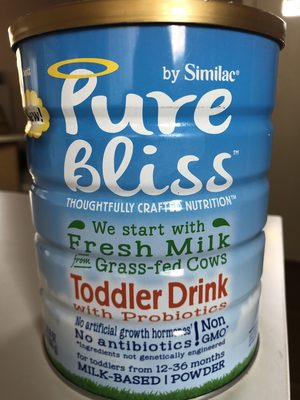
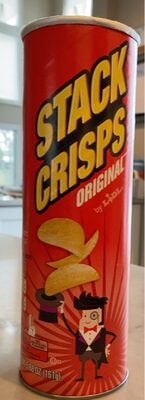
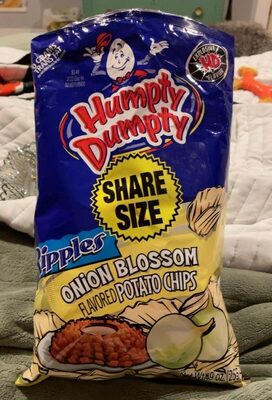
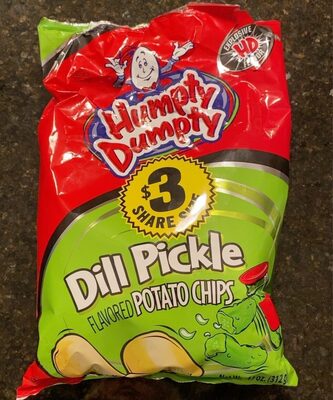
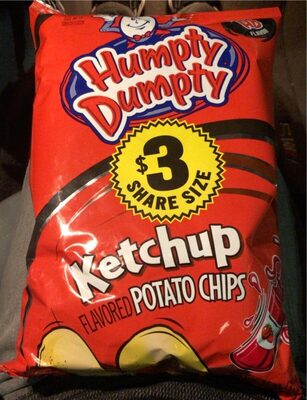

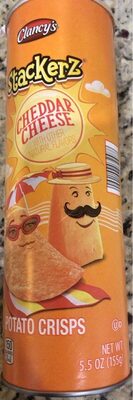
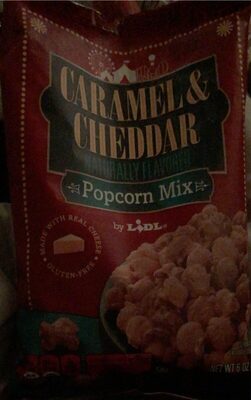
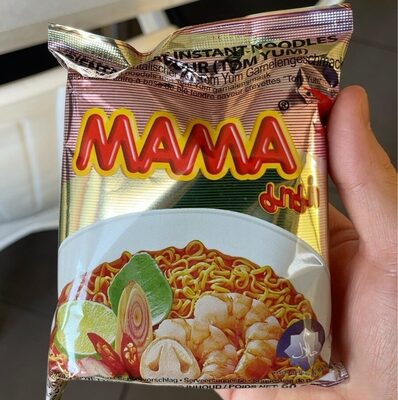
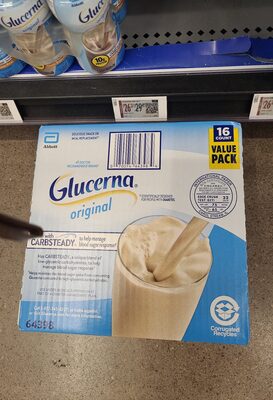
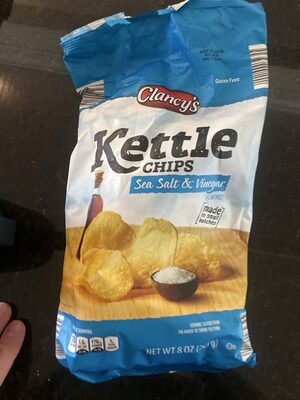
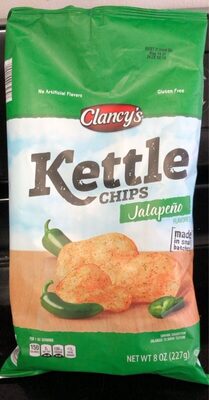
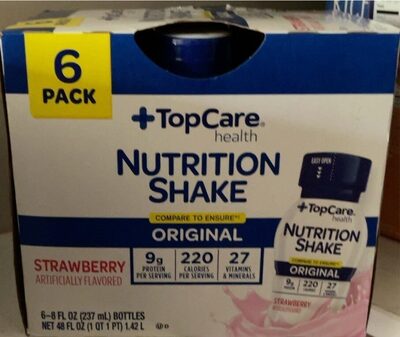
Learn more
Auto-generated content. This description was generated automatically and is pending editorial review. Inaccuracies are possible. Found a mistake? Contact us.