Thompson Raisins
What is Thompson Raisins?
Thompson raisins are a type of dried grape, specifically from the Thompson Seedless variety. They are made by drying grapes, either naturally in the sun or using mechanical dehydrators, which concentrates their sugars and removes moisture.
Is Thompson Raisins vegan?
Thompson Raisins is not animal-derived. Products that contain it can still include other animal-derived ingredients, so check the full ingredient list.
Is Thompson Raisins gluten-free?
They do not contain gluten.
Is Thompson Raisins a major allergen?
Raisins are not derived from any of the 9 FDA major allergens.
What is Thompson Raisins used for?
Raisins are often used as a natural sweetener and to add texture and flavor to foods.
Is Thompson Raisins safe?
Thompson raisins are generally recognized as safe (GRAS) by the FDA for use in food.
Why it's used
Raisins are often used as a natural sweetener and to add texture and flavor to foods. They are commonly found in baked goods like cookies and muffins, cereals, trail mixes, and snack bars.
Health notes
Thompson raisins are generally recognized as safe (GRAS) by the FDA for use in food. They are a source of natural sugars, fiber, and some micronutrients. JECFA and EFSA have evaluated raisins, and they are considered a whole food with no specific safety concerns at typical consumption levels. While they contain natural sugars, they also provide fiber which can moderate sugar absorption.
Allergen info
Raisins are not derived from any of the 9 FDA major allergens. They do not contain gluten.
Foods that contain Thompson Raisins
Compare products →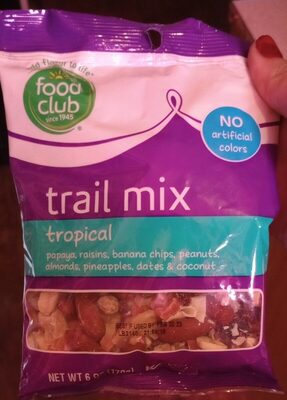
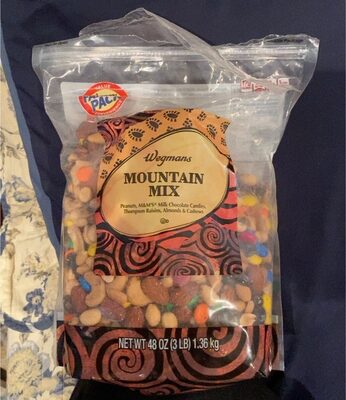
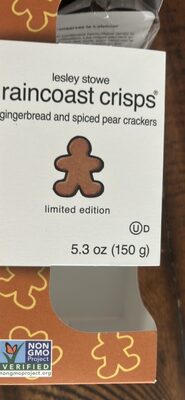
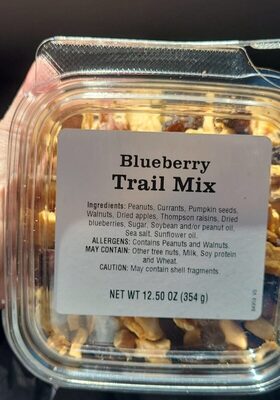
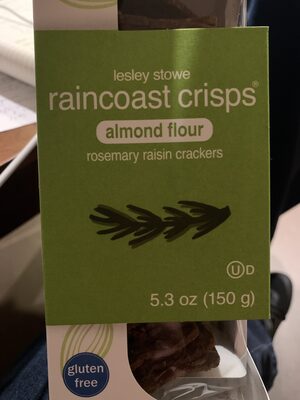
Auto-generated content. This description was generated automatically and is pending editorial review. Inaccuracies are possible. Found a mistake? Contact us.