Dehydrated Miso
What is Dehydrated Miso?
Dehydrated miso is a concentrated, powdered form of miso, a traditional Japanese fermented paste. It is made from soybeans, koji (a type of mold), salt, and sometimes rice or barley, which are fermented for months or years. The paste is then dried and ground into a powder for easier storage and use.
Is Dehydrated Miso vegan?
Dehydrated Miso is not animal-derived. Products that contain it can still include other animal-derived ingredients, so check the full ingredient list.
Is Dehydrated Miso gluten-free?
If made with barley, it would also contain gluten.
Is Dehydrated Miso a major allergen?
Miso is typically made from soybeans, which are one of the 9 FDA major allergens.
What is Dehydrated Miso used for?
Manufacturers use dehydrated miso primarily as a flavor enhancer, adding a rich, savory, umami taste to foods.
Is Dehydrated Miso safe?
Dehydrated miso is generally recognized as safe (GRAS) by the FDA when used as a food ingredient.
Why it's used
Manufacturers use dehydrated miso primarily as a flavor enhancer, adding a rich, savory, umami taste to foods. It is often found in dry mixes, seasonings, marinades, and snacks. Its concentrated form makes it convenient for adding a complex flavor profile to a variety of dishes, including meats, soups, and sauces.
Health notes
Dehydrated miso is generally recognized as safe (GRAS) by the FDA when used as a food ingredient. As a fermented food, it contains probiotics and amino acids. Regulatory bodies like JECFA and EFSA have evaluated miso and its components. While miso is a traditional food with a long history of safe consumption, like all foods, excessive intake should be avoided. It is a source of sodium.
Allergen info
Miso is typically made from soybeans, which are one of the 9 FDA major allergens. If made with barley, it would also contain gluten.
Foods that contain Dehydrated Miso
Compare products →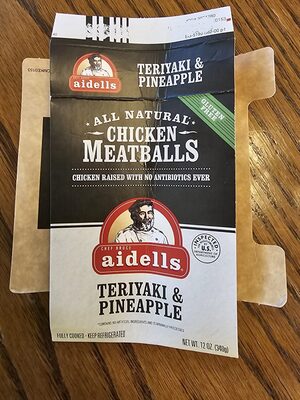 Aidells Sausage Company
Teriyaki & Pineapple Chicken Meatballs, Teriyaki & Pineapple
High in sodium — 24% DV per serving
176kcal
16.5Protein
9.4Fat
8.2Carbs
Aidells Sausage Company
Teriyaki & Pineapple Chicken Meatballs, Teriyaki & Pineapple
High in sodium — 24% DV per serving
176kcal
16.5Protein
9.4Fat
8.2Carbs
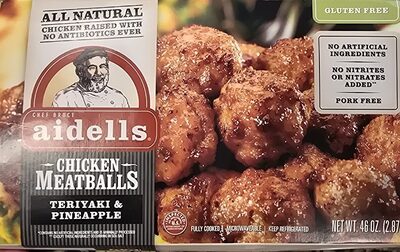 Aidells Sausage Company
Teriyaki & Pineapple Chicken Meatballs, Teriyaki & Pineapple
High in sodium — 23% DV per serving
165kcal
14.1Protein
8.2Fat
9.4Carbs
Aidells Sausage Company
Teriyaki & Pineapple Chicken Meatballs, Teriyaki & Pineapple
High in sodium — 23% DV per serving
165kcal
14.1Protein
8.2Fat
9.4Carbs
 Aidells Sausage Company
Teriyaki & Pineapple Chicken Meatballs, Teriyaki & Pineapple
High in sodium — 24% DV per serving
176kcal
16.5Protein
9.4Fat
8.2Carbs
Aidells Sausage Company
Teriyaki & Pineapple Chicken Meatballs, Teriyaki & Pineapple
High in sodium — 24% DV per serving
176kcal
16.5Protein
9.4Fat
8.2Carbs
Learn more
Auto-generated content. This description was generated automatically and is pending editorial review. Inaccuracies are possible. Found a mistake? Contact us.