Dextrose Cocoa Butter
What is Dextrose Cocoa Butter?
Dextrose is a simple sugar, chemically identical to glucose, often produced from corn starch. Cocoa butter is a natural, pale-yellow fat extracted from cocoa beans.
Is Dextrose Cocoa Butter vegan?
Dextrose Cocoa Butter is not animal-derived. Products that contain it can still include other animal-derived ingredients, so check the full ingredient list.
Is Dextrose Cocoa Butter a major allergen?
Neither dextrose nor cocoa butter are considered major allergens by the FDA.
What is Dextrose Cocoa Butter used for?
Dextrose is used as a sweetener, to provide energy, and to enhance texture and browning in foods.
Is Dextrose Cocoa Butter safe?
Dextrose is Generally Recognized As Safe (GRAS) by the FDA.
Why it's used
Dextrose is used as a sweetener, to provide energy, and to enhance texture and browning in foods. Cocoa butter provides a smooth texture, mouthfeel, and stability, especially in chocolate and confectionery products.
Health notes
Dextrose is Generally Recognized As Safe (GRAS) by the FDA. As a source of added sugars, the 2025-2030 Dietary Guidelines for Americans recommend no amount of added sugars, and at most 10 grams per meal. Cocoa butter is also GRAS by the FDA. It is a fat, primarily saturated fat, and the 2025-2030 Dietary Guidelines for Americans recommend keeping saturated fat intake under 10% of daily calories. Both components have been evaluated by international bodies like JECFA.
Allergen info
Neither dextrose nor cocoa butter are considered major allergens by the FDA.
Foods that contain Dextrose Cocoa Butter
Compare products →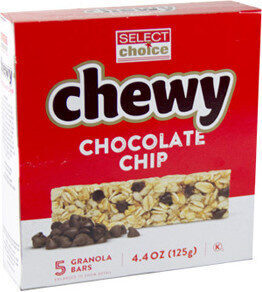
Auto-generated content. This description was generated automatically and is pending editorial review. Inaccuracies are possible. Found a mistake? Contact us.