Soy Lecithin
Auto-generated content. This description was generated automatically and is pending editorial review. Inaccuracies are possible. Found a mistake? Contact us.
What it is
Soy lecithin is a fatty substance obtained from soybeans. It is a mixture of phospholipids, which are types of fats important for cell membranes. It is typically a byproduct created during the processing of soybean oil.
Why it's used
Manufacturers add soy lecithin to foods mainly because it is an emulsifier, meaning it helps oil and water mix together and stay mixed. It also helps prevent ingredients from separating, improves texture, and can extend shelf life. You will find it in many products like chocolate, baked goods, margarine, and salad dressings.
Health notes
In the United States, the Food and Drug Administration (FDA) considers soy lecithin to be Generally Recognized As Safe (GRAS). International bodies like the Joint FAO/WHO Expert Committee on Food Additives (JECFA) have evaluated it and did not set a numeric limit (ADI not specified), finding it safe for use. The European Food Safety Authority (EFSA) has also evaluated its safety. While some people have concerns about soy products, the amount of soy protein in lecithin is very low, and it is generally considered safe for consumption at typical levels.
Allergen info
Soy lecithin is derived from soy, which is one of the nine major food allergens identified by the FDA. Therefore, products containing soy lecithin must declare soy on their labels.
Products containing Soy Lecithin
Compare products →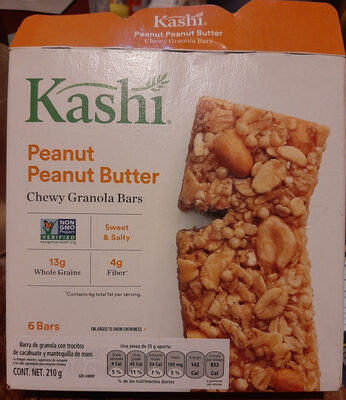 Kashi US
Kashi Chewy Bars Chewy Peanut Butter Gran 7.4Oz
—kcal
16.7Protein
14.3Fat
56.3Carbs
Kashi US
Kashi Chewy Bars Chewy Peanut Butter Gran 7.4Oz
—kcal
16.7Protein
14.3Fat
56.3Carbs