Diacetyl-free
What is Diacetyl-free?
Diacetyl is a chemical compound that occurs naturally in butter and other foods. It is produced during the fermentation of alcoholic beverages like beer and wine. In food production, it can be created through chemical synthesis or by fermenting sugars with specific bacteria.
Is Diacetyl-free gluten-free?
It does not contain gluten.
Is Diacetyl-free a major allergen?
Diacetyl is not derived from any of the 9 FDA major allergens.
What is Diacetyl-free used for?
Diacetyl is primarily used as a flavoring agent to impart a buttery taste and aroma.
Is Diacetyl-free safe?
Diacetyl is generally recognized as safe (GRAS) by the FDA for use as a food flavoring.
Why it's used
Diacetyl is primarily used as a flavoring agent to impart a buttery taste and aroma. It is commonly found in microwave popcorn, butter-flavored candies, baked goods, and dairy products. Manufacturers add it to enhance or create a rich, buttery flavor profile in a wide range of processed foods.
Health notes
Diacetyl is generally recognized as safe (GRAS) by the FDA for use as a food flavoring. However, concerns have been raised about potential respiratory issues, particularly in workers exposed to high concentrations in flavoring manufacturing facilities. Regulatory bodies like JECFA have evaluated diacetyl, but no specific ADI has been set. Evidence regarding health effects from typical dietary intake is mixed, and it is not considered a major health risk for consumers.
Allergen info
Diacetyl is not derived from any of the 9 FDA major allergens. It does not contain gluten.
Foods that contain Diacetyl-free
Compare products →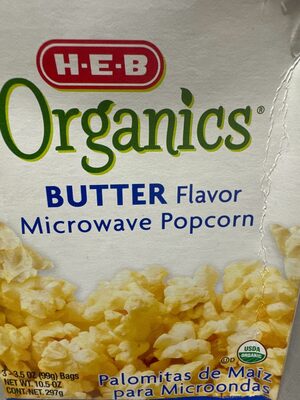 H E Butt Grocery Company
Butter Microwave Popcorn, Butter
455kcal
9.1Protein
—Fat
57.6Carbs
Sweet Baby Rays Inc.
Wing Sauce & Glaze
100kcal
0Protein
10Fat
0Carbs
Ken's Foods, Inc.
Ken's Steak House, Buffalo Wing Sauce
100kcal
0Protein
10Fat
0Carbs
Sweet Baby Rays Inc.
Wing Sauce & Glaze, Buffalo Wing
100kcal
0Protein
10Fat
0Carbs
H E Butt Grocery Company
Butter Microwave Popcorn, Butter
455kcal
9.1Protein
—Fat
57.6Carbs
Sweet Baby Rays Inc.
Wing Sauce & Glaze
100kcal
0Protein
10Fat
0Carbs
Ken's Foods, Inc.
Ken's Steak House, Buffalo Wing Sauce
100kcal
0Protein
10Fat
0Carbs
Sweet Baby Rays Inc.
Wing Sauce & Glaze, Buffalo Wing
100kcal
0Protein
10Fat
0Carbs
Learn more
Auto-generated content. This description was generated automatically and is pending editorial review. Inaccuracies are possible. Found a mistake? Contact us.