Dill Sprig
What is Dill Sprig?
Dill sprig is the leafy green top of the dill plant, an herb in the celery family. It is used fresh or dried as a seasoning. The dill plant is native to the Mediterranean and Southwest Asia but is now grown worldwide.
Is Dill Sprig vegan?
Dill Sprig is not animal-derived. Products that contain it can still include other animal-derived ingredients, so check the full ingredient list.
Is Dill Sprig gluten-free?
It does not contain gluten.
Is Dill Sprig a major allergen?
Dill sprig is not a major allergen.
What is Dill Sprig used for?
Dill sprig is primarily used to add a fresh, slightly tangy, and grassy flavor to foods.
Is Dill Sprig safe?
Dill sprig is generally recognized as safe (GRAS) by the FDA for use as a food flavoring.
Why it's used
Dill sprig is primarily used to add a fresh, slightly tangy, and grassy flavor to foods. It is commonly found in pickles, relishes, sauces, salad dressings, and seafood dishes. Manufacturers use it to enhance the overall taste profile of savory products.
Health notes
Dill sprig is generally recognized as safe (GRAS) by the FDA for use as a food flavoring. It is not typically associated with adverse health effects when consumed in amounts found in food. Regulatory bodies like EFSA have not set specific limits for dill as a flavoring agent, considering it safe at typical usage levels. There are no widespread controversies regarding its consumption.
Allergen info
Dill sprig is not a major allergen. It is not derived from any of the nine FDA major allergens (milk, egg, fish, shellfish, tree nuts, peanuts, wheat, soy, sesame). It does not contain gluten.
Foods that contain Dill Sprig
Compare products →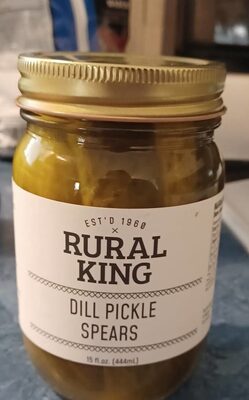
Learn more
Auto-generated content. This description was generated automatically and is pending editorial review. Inaccuracies are possible. Found a mistake? Contact us.