Dissodium Inosinate
What is Dissodium Inosinate?
Dissodium inosinate is a flavor enhancer that is often produced commercially through the fermentation of plant-based materials. It is a sodium salt of inosinic acid, which occurs naturally in foods like meat and fish.
Is Dissodium Inosinate vegan?
Dissodium Inosinate is not animal-derived. Products that contain it can still include other animal-derived ingredients, so check the full ingredient list.
Is Dissodium Inosinate gluten-free?
It does not contain gluten.
Is Dissodium Inosinate a major allergen?
Not a major allergen.
What is Dissodium Inosinate used for?
It is used to boost savory (umami) flavors in processed foods, particularly in soups, sauces, and snack foods like crackers.
Is Dissodium Inosinate safe?
Dissodium inosinate is generally recognized as safe (GRAS) by the FDA for use in food.
Why it's used
It is used to boost savory (umami) flavors in processed foods, particularly in soups, sauces, and snack foods like crackers. It works synergistically with other flavor enhancers, such as monosodium glutamate (MSG), to create a richer taste profile.
Health notes
Dissodium inosinate is generally recognized as safe (GRAS) by the FDA for use in food. It is metabolized by the body like other naturally occurring purines. International bodies like JECFA have evaluated it and found no safety concerns at typical consumption levels.
Allergen info
Not a major allergen. It does not contain gluten.
Foods that contain Dissodium Inosinate
Compare products →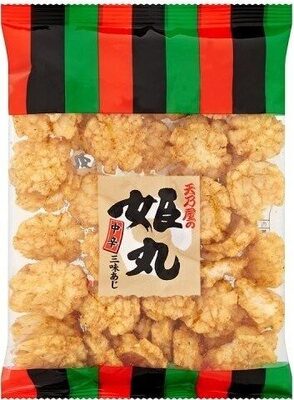 AMANOYA CORPORATION
Amanoya, Himemaru Japanese Rice Cracker
550kcal
6.7Protein
33.3Fat
53.3Carbs
Lipari Foods Operating Company, LLC
Wholey, Premium Stuffed Shrimp
193kcal
10.5Protein
4.4Fat
26.3Carbs
Seafood America LLC
Extra Large Stuffed Shrimp Made With Real Crabmeat
193kcal
10.5Protein
4.4Fat
26.3Carbs
AMANOYA CORPORATION
Amanoya, Himemaru Japanese Rice Cracker
550kcal
6.7Protein
33.3Fat
53.3Carbs
Lipari Foods Operating Company, LLC
Wholey, Premium Stuffed Shrimp
193kcal
10.5Protein
4.4Fat
26.3Carbs
Seafood America LLC
Extra Large Stuffed Shrimp Made With Real Crabmeat
193kcal
10.5Protein
4.4Fat
26.3Carbs
Learn more
Auto-generated content. This description was generated automatically and is pending editorial review. Inaccuracies are possible. Found a mistake? Contact us.