Doubanjiang
What is Doubanjiang?
Doubanjiang is a spicy fermented bean paste originating from Sichuan, China. It is made from broad beans, chili peppers, salt, and sometimes wheat flour, which are then fermented for months or even years.
Is Doubanjiang vegan?
Doubanjiang is not animal-derived. Products that contain it can still include other animal-derived ingredients, so check the full ingredient list.
Is Doubanjiang gluten-free?
If made with wheat flour, doubanjiang may contain gluten and wheat.
What is Doubanjiang used for?
Doubanjiang is a key ingredient in Sichuan cuisine, adding a complex savory, spicy, and umami flavor.
Is Doubanjiang safe?
Doubanjiang is generally recognized as safe (GRAS) by the FDA when used as a food ingredient.
Why it's used
Doubanjiang is a key ingredient in Sichuan cuisine, adding a complex savory, spicy, and umami flavor. Manufacturers use it to enhance the taste of sauces, marinades, stir-fries, and as a base for dishes like Mapo Tofu.
Health notes
Doubanjiang is generally recognized as safe (GRAS) by the FDA when used as a food ingredient. Fermented foods like doubanjiang can be a source of probiotics, which may support gut health. However, due to its high sodium content, excessive consumption could contribute to high blood pressure in some individuals. JECFA has evaluated fermented bean products but has not set a specific ADI for doubanjiang itself.
Allergen info
If made with wheat flour, doubanjiang may contain gluten and wheat. Otherwise, it is not a major allergen.
Foods that contain Doubanjiang
Compare products →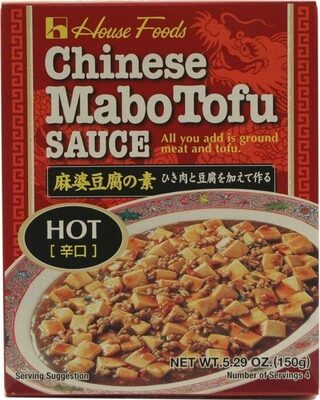 House Foods Corporation
Chinese Mabo Tofu Sauce
High in sodium — 20% DV per serving
79kcal
2.6Protein
4.0Fat
10.5Carbs
House Foods Corporation
Chinese Mabo Tofu Sauce
High in sodium — 20% DV per serving
79kcal
2.6Protein
4.0Fat
10.5Carbs
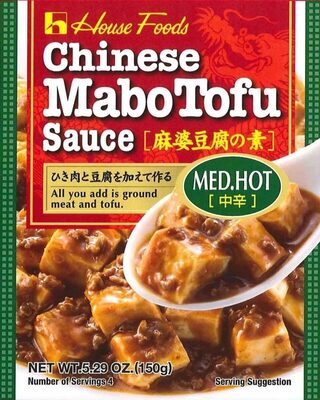 House Foods Corporation
Chinese Mabo Tofu Sauce, Med.Hot
High in sodium — 21% DV per serving
79kcal
2.6Protein
4.0Fat
7.9Carbs
House Foods Corporation
Chinese Mabotofu Sauce, Mild
High in sodium — 22% DV per serving
79kcal
2.6Protein
4.0Fat
7.9Carbs
House Foods Corporation
Chinese Mabo Tofu Sauce, Med.Hot
High in sodium — 21% DV per serving
79kcal
2.6Protein
4.0Fat
7.9Carbs
House Foods Corporation
Chinese Mabotofu Sauce, Mild
High in sodium — 22% DV per serving
79kcal
2.6Protein
4.0Fat
7.9Carbs
Learn more
Auto-generated content. This description was generated automatically and is pending editorial review. Inaccuracies are possible. Found a mistake? Contact us.