Dried Ancho Chilies
What is Dried Ancho Chilies?
Dried ancho chilies are a type of dried poblano pepper. Poblano peppers are large, mild, heart-shaped peppers native to Mexico. They are harvested when ripe (red) and then dried, which concentrates their flavor and gives them a dark, wrinkled appearance.
Is Dried Ancho Chilies vegan?
Dried Ancho Chilies is not animal-derived. Products that contain it can still include other animal-derived ingredients, so check the full ingredient list.
Is Dried Ancho Chilies gluten-free?
Dried ancho chilies do not contain any of the nine FDA major allergens and are naturally gluten-free.
Is Dried Ancho Chilies a major allergen?
Not a major allergen.
What is Dried Ancho Chilies used for?
Manufacturers use dried ancho chilies to add a smoky, slightly sweet, and mild chili flavor to foods.
Is Dried Ancho Chilies safe?
Dried ancho chilies are generally recognized as safe (GRAS) by the FDA when used as a food ingredient.
Why it's used
Manufacturers use dried ancho chilies to add a smoky, slightly sweet, and mild chili flavor to foods. They are often ground into a powder or rehydrated and used in sauces, marinades, rubs, and seasoning blends. You can find them in a variety of savory dishes, including chili, stews, and roasted meats.
Health notes
Dried ancho chilies are generally recognized as safe (GRAS) by the FDA when used as a food ingredient. They are a source of vitamins and antioxidants. While generally safe, some individuals may experience digestive discomfort from chili peppers. No specific regulatory limits or evaluations by bodies like JECFA or EFSA are typically noted for dried chili peppers as a whole food ingredient.
Allergen info
Not a major allergen. Dried ancho chilies do not contain any of the nine FDA major allergens and are naturally gluten-free.
Foods that contain Dried Ancho Chilies
Compare products →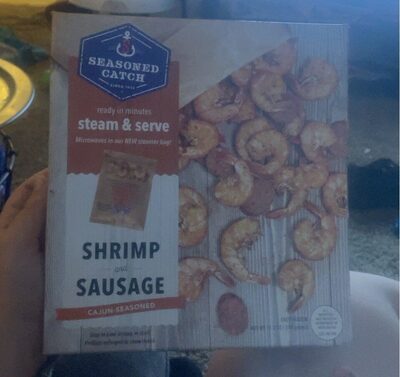 Shaw's Southern Belle Frozen Foods
Cajun-Seasoned Shrimp And Sausage, Cajun-Seasoned
High in sodium — 53% DV per serving
High in cholesterol — 48% DV per serving
125kcal
13.3Protein
6.2Fat
2.3Carbs
Shaw's Southern Belle Frozen Foods
Cajun-Seasoned Shrimp And Sausage, Cajun-Seasoned
High in sodium — 53% DV per serving
High in cholesterol — 48% DV per serving
125kcal
13.3Protein
6.2Fat
2.3Carbs
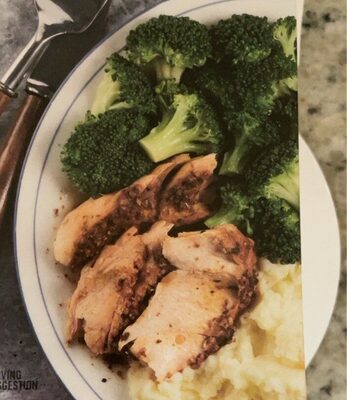 H E Butt Grocery Company
Steakhouse Smoky Ancho Rubbed Salmon With Mashed Potatoes & Broccoli, Steakhouse
High in sodium — 64% DV per serving
High in saturated fat — 55% DV per serving
High in cholesterol — 28% DV per serving
138kcal
7.9Protein
7.9Fat
9.4Carbs
L. J. Minor Corp.
Red Chile Adobo Flavor Concentrate, Red Chile Adobo
100kcal
0Protein
10Fat
20Carbs
GROCERY DELIVERY E-SERVICES USA INC.
Cherry Ancho Chicken With Israeli Couscous And Green Beans Meal Kit, Cherry Ancho Chicken
High in sodium — 47% DV per serving
High in cholesterol — 39% DV per serving
134kcal
13.0Protein
1.4Fat
17.1Carbs
H E Butt Grocery Company
Steakhouse Smoky Ancho Rubbed Salmon With Mashed Potatoes & Broccoli, Steakhouse
High in sodium — 64% DV per serving
High in saturated fat — 55% DV per serving
High in cholesterol — 28% DV per serving
138kcal
7.9Protein
7.9Fat
9.4Carbs
L. J. Minor Corp.
Red Chile Adobo Flavor Concentrate, Red Chile Adobo
100kcal
0Protein
10Fat
20Carbs
GROCERY DELIVERY E-SERVICES USA INC.
Cherry Ancho Chicken With Israeli Couscous And Green Beans Meal Kit, Cherry Ancho Chicken
High in sodium — 47% DV per serving
High in cholesterol — 39% DV per serving
134kcal
13.0Protein
1.4Fat
17.1Carbs
Auto-generated content. This description was generated automatically and is pending editorial review. Inaccuracies are possible. Found a mistake? Contact us.