Dried Purple Carrot
What is Dried Purple Carrot?
Dried purple carrot is made from carrots that have been dehydrated to remove most of their water content. Purple carrots are a variety of carrot that gets its deep color from anthocyanins, the same antioxidants found in blueberries and red wine.
Is Dried Purple Carrot vegan?
Dried Purple Carrot is not animal-derived. Products that contain it can still include other animal-derived ingredients, so check the full ingredient list.
Is Dried Purple Carrot a major allergen?
Not a major allergen.
What is Dried Purple Carrot used for?
Manufacturers use dried purple carrot primarily as a natural colorant to give foods a purple or reddish hue.
Is Dried Purple Carrot safe?
Dried purple carrot is generally recognized as safe (GRAS) by the FDA when used as a food ingredient.
Why it's used
Manufacturers use dried purple carrot primarily as a natural colorant to give foods a purple or reddish hue. It can also contribute a subtle earthy sweetness and flavor. It is often found in snack bars, cereals, and other processed foods where a natural color is desired.
Health notes
Dried purple carrot is generally recognized as safe (GRAS) by the FDA when used as a food ingredient. It is a source of antioxidants like anthocyanins, which are studied for their potential health benefits. Regulatory bodies like EFSA have evaluated anthocyanins, recognizing their antioxidant properties. At typical intake levels found in food, dried purple carrot is not associated with adverse health effects.
Allergen info
Not a major allergen. Carrots are not among the nine major allergens identified by the FDA.
Foods that contain Dried Purple Carrot
Compare products →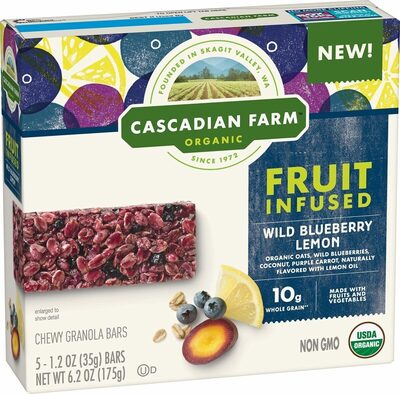 Small Planet Foods, Inc.
Wild Blueberry Lemon Organic Oats, Wild Blueberries, Coconut, Purple Carrot, Naturally Flavored With Lemon Oil Fruit Infused Chewy Granola Bars, Wild Blueberry Lemon
400kcal
5.7Protein
8.6Fat
71.4Carbs
Small Planet Foods, Inc.
Wild Blueberry Lemon Organic Oats, Wild Blueberries, Coconut, Purple Carrot, Naturally Flavored With Lemon Oil Fruit Infused Chewy Granola Bars, Wild Blueberry Lemon
400kcal
5.7Protein
8.6Fat
71.4Carbs
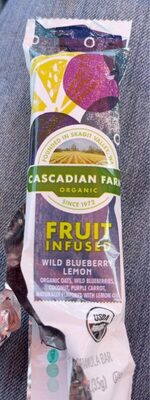 GENERAL MILLS SALES INC.
Cascadian Farm Organic Fruit Infused Wild Blueberry Lemon Chewy Granola Bar
390kcal
6Protein
9Fat
72Carbs
Small Planet Foods, Inc.
Wild Blueberry Lemon Organic Oats, Wild Blueberries, Coconut, Purple Carrot, Naturally Flavored With Lemon Oil Fruit Infused Chewy Granola Bars, Wild Blueberry Lemon
400kcal
5.7Protein
8.6Fat
71.4Carbs
GENERAL MILLS SALES INC.
Cascadian Farm Organic Fruit Infused Wild Blueberry Lemon Chewy Granola Bar
390kcal
6Protein
9Fat
72Carbs
Small Planet Foods, Inc.
Wild Blueberry Lemon Organic Oats, Wild Blueberries, Coconut, Purple Carrot, Naturally Flavored With Lemon Oil Fruit Infused Chewy Granola Bars, Wild Blueberry Lemon
400kcal
5.7Protein
8.6Fat
71.4Carbs
Auto-generated content. This description was generated automatically and is pending editorial review. Inaccuracies are possible. Found a mistake? Contact us.