Dry Pigeon Peas
Auto-generated content. This description was generated automatically and is pending editorial review. Inaccuracies are possible. Found a mistake? Contact us.
What it is
Pigeon peas, also known as gandules or gungo peas, are a legume native to Africa. They are now widely cultivated in tropical and subtropical regions, including the Caribbean and India. The dried peas are harvested and processed for use in cooking.
Why it's used
Manufacturers use dried pigeon peas as a source of protein and fiber in food products. They are commonly found in canned vegetables, vegetable mixes, and canned bean products, often as a main ingredient or a flavorful addition.
Health notes
Pigeon peas are a natural food ingredient and are generally recognized as safe (GRAS) by the FDA. They are a good source of nutrients like fiber, protein, and various vitamins and minerals. International bodies like JECFA and EFSA have evaluated many food ingredients, but specific evaluations for dried pigeon peas are not widely publicized. At typical consumption levels, they are considered a healthy dietary component.
Allergen info
Pigeon peas are not one of the nine major allergens recognized by the FDA. They do not contain gluten.
Products containing Dry Pigeon Peas
Compare products →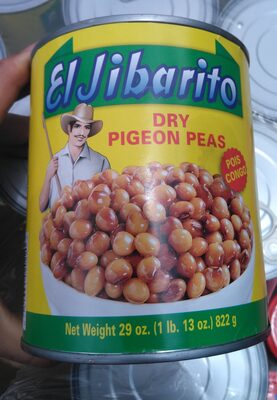 Goya Foods, Inc.
Eljibarito, Dry Pigeon Peas
High in sodium — 21% DV per serving
64kcal
4Protein
0Fat
14.4Carbs
Casablanca
Madame Gougousse, Dried Pigeon Peas
350kcal
20Protein
1.2Fat
60Carbs
Goya Foods, Inc.
Eljibarito, Dry Pigeon Peas
High in sodium — 21% DV per serving
64kcal
4Protein
0Fat
14.4Carbs
Casablanca
Madame Gougousse, Dried Pigeon Peas
350kcal
20Protein
1.2Fat
60Carbs
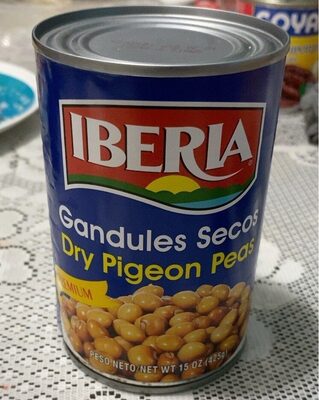 Iberia Foods Corporation
Premium Dry Pigeon Peas
100kcal
6.9Protein
0.4Fat
16.9Carbs
Iberia Foods Corporation
Premium Dry Pigeon Peas
100kcal
6.9Protein
0.4Fat
16.9Carbs
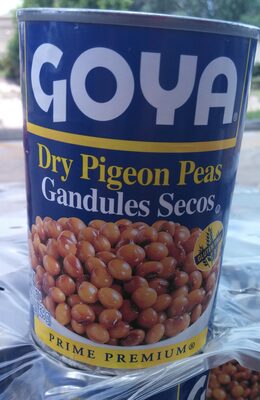 Goya Foods, Inc.
Goya Prime Premium Dry Pigeon Peas, 15.5 Oz
High in sodium — 21% DV per serving
64kcal
4Protein
0Fat
14.4Carbs
Goya Foods, Inc.
Goya Prime Premium Dry Pigeon Peas, 15.5 Oz
High in sodium — 21% DV per serving
64kcal
4Protein
0Fat
14.4Carbs
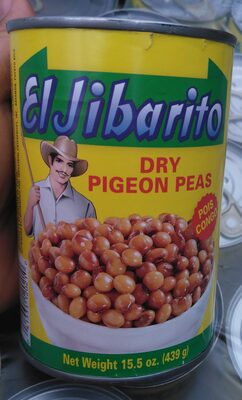 Goya Foods, Inc.
Dry Pigeon Peas
High in sodium — 21% DV per serving
64kcal
4Protein
0Fat
14.4Carbs
Goya Foods, Inc.
Dry Pigeon Peas
High in sodium — 21% DV per serving
64kcal
4Protein
0Fat
14.4Carbs