Dusting Agent
What is Dusting Agent?
Dusting agents are typically fine powders used to coat the surface of food products. They can be made from various substances, including starches, sugars, or mineral compounds like calcium carbonate. Their purpose is to prevent sticking, improve texture, or provide a decorative finish.
Is Dusting Agent gluten-free?
Gluten is not a major allergen.
Is Dusting Agent a major allergen?
Depending on the specific substance used, dusting agents may or may not be derived from major allergens.
What is Dusting Agent used for?
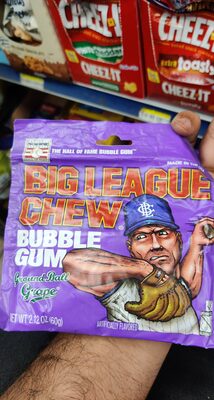
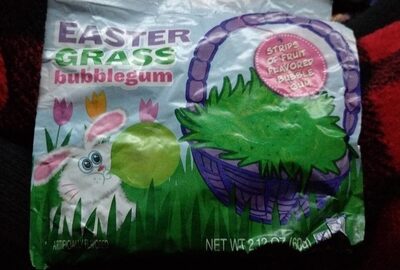
Manufacturers use dusting agents to prevent products from clumping together, especially in confectionery like chewing gum and candies.
Is Dusting Agent safe?
In the US, many common dusting agents are Generally Recognized As Safe (GRAS) by the FDA.
Why it's used
Manufacturers use dusting agents to prevent products from clumping together, especially in confectionery like chewing gum and candies. They can also add a pleasant mouthfeel or visual appeal. Other uses include coating baked goods or processed meats.
Health notes
In the US, many common dusting agents are Generally Recognized As Safe (GRAS) by the FDA. For example, calcium carbonate is widely used and considered safe. International bodies like JECFA have evaluated various substances used as dusting agents. At typical consumption levels, they are not associated with adverse health effects.
Allergen info
Depending on the specific substance used, dusting agents may or may not be derived from major allergens. For instance, corn starch is not a major allergen, while some powdered milk-based dusting agents would be. Gluten is not a major allergen.
Foods that contain Dusting Agent
Compare products →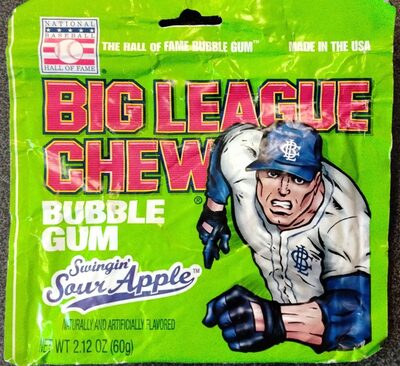
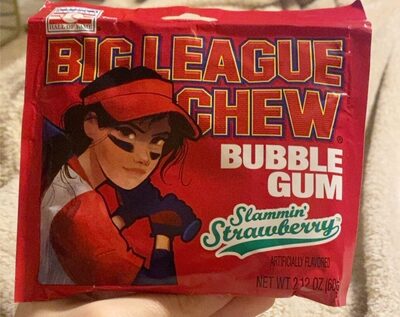
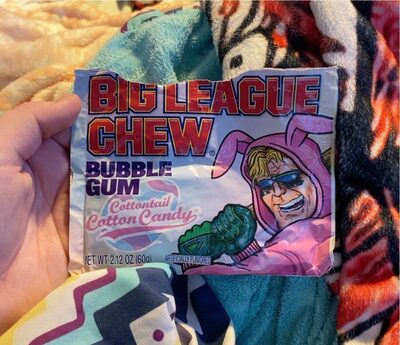
Auto-generated content. This description was generated automatically and is pending editorial review. Inaccuracies are possible. Found a mistake? Contact us.