Emulsified Oil
Auto-generated content. This description was generated automatically and is pending editorial review. Inaccuracies are possible. Found a mistake? Contact us.
What it is
Emulsified oil is a mixture of oil and water that has been processed to combine them into a stable, uniform liquid. This is typically achieved by adding an emulsifier, which helps the oil and water molecules bind together. The resulting product can be used in various food applications where a smooth, consistent texture is desired.
Why it's used
Manufacturers add emulsified oil to improve the texture and stability of food products. It acts as an emulsifier, helping to blend ingredients that don't normally mix, like oil and water. It is commonly found in salad dressings, sauces, baked goods, and processed meats.
Health notes
Emulsified oils are generally recognized as safe (GRAS) by the FDA for use in food. Regulatory bodies like the Joint FAO/WHO Expert Committee on Food Additives (JECFA) and the European Food Safety Authority (EFSA) have evaluated many emulsifiers used in food. At typical consumption levels, they are not associated with adverse health effects. Some research has explored potential links between certain emulsifiers and gut health, but more studies are needed to understand these complex interactions.
Allergen info
Emulsified oils themselves are not derived from the major allergens. However, the specific emulsifier used in the product may be derived from a major allergen, such as soy or eggs. Consumers should check the ingredient list for specific allergen information.
Products containing Emulsified Oil
Compare products →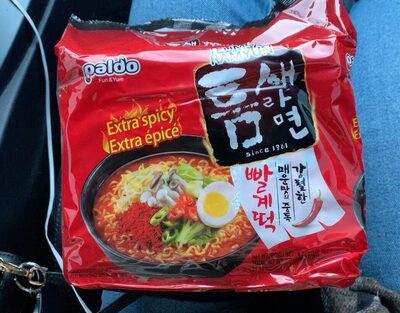 Serendipity 3, Inc.
Extra Spicy Ramyun Instant Noodle With Soup Base, Extra Spicy
High in saturated fat — 40% DV per serving
408kcal
—Protein
12.5Fat
65Carbs
Rhee Bros. Inc.
Spicy Vegetable Potstickers, Spicy Vegetable
6kcal
—Protein
4Fat
33.3Carbs
Serendipity 3, Inc.
Extra Spicy Ramyun Instant Noodle With Soup Base, Extra Spicy
High in saturated fat — 40% DV per serving
408kcal
—Protein
12.5Fat
65Carbs
Rhee Bros. Inc.
Spicy Vegetable Potstickers, Spicy Vegetable
6kcal
—Protein
4Fat
33.3Carbs
 Serendipity 3, Inc.
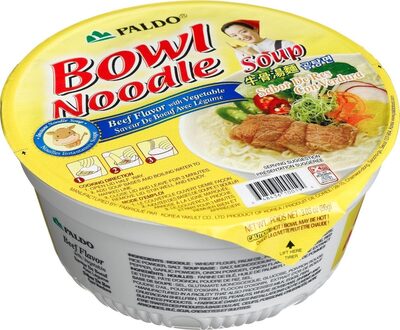
Beef Flavor With Vegetable Bowl Noodle Soup, Beef
High in sodium — 78% DV per serving
High in saturated fat — 30% DV per serving
430kcal
10.5Protein
15.1Fat
64.0Carbs
Serendipity 3, Inc.
Beef Flavor With Vegetable Bowl Noodle Soup, Beef
High in sodium — 78% DV per serving
High in saturated fat — 30% DV per serving
430kcal
10.5Protein
15.1Fat
64.0Carbs