Fair Trade Certified Tm Sugar
What is Fair Trade Certified Tm Sugar?
Sugar is a sweet carbohydrate obtained from plants like sugarcane or sugar beets. It is processed to remove impurities and create a crystalline product. The 'Fair Trade Certified' label means the sugar meets specific standards for ethical sourcing, including fair prices for farmers and sustainable environmental practices.
Is Fair Trade Certified Tm Sugar a major allergen?
Not a major allergen.
What is Fair Trade Certified Tm Sugar used for?
Sugar is widely used as a sweetener and flavor enhancer in many foods and beverages.
Is Fair Trade Certified Tm Sugar safe?
Sugar is generally recognized as safe (GRAS) by the FDA.
Why it's used
Sugar is widely used as a sweetener and flavor enhancer in many foods and beverages. It also contributes to texture, browning, and acts as a preservative in products like jams and jellies. It is a key ingredient in candy, baked goods, desserts, and sweetened drinks.
Health notes
Sugar is generally recognized as safe (GRAS) by the FDA. It provides calories and energy. The 2025-2030 Dietary Guidelines for Americans recommend no amount of added sugars, and at most 10 grams of added sugars per meal. Excessive intake of added sugars is associated with various health concerns, though sugar itself is not an additive that JECFA or EFSA would typically evaluate for an Acceptable Daily Intake (ADI).
Allergen info
Not a major allergen.
Foods that contain Fair Trade Certified Tm Sugar
Compare products →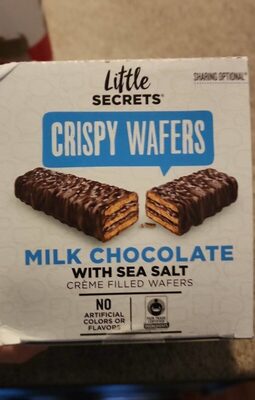 Little Secrets, LLC
Milk Chocolate With Sea Salt Creme Filled Crispy Wafers, Milk Chocolate With Sea Salt
High in saturated fat — 35% DV per serving
High in added sugars — 32% DV per serving
—kcal
7.5Protein
30Fat
—Carbs
Little Secrets, LLC
Milk Chocolate With Sea Salt Creme Filled Crispy Wafers, Milk Chocolate With Sea Salt
High in saturated fat — 35% DV per serving
High in added sugars — 32% DV per serving
—kcal
7.5Protein
30Fat
—Carbs
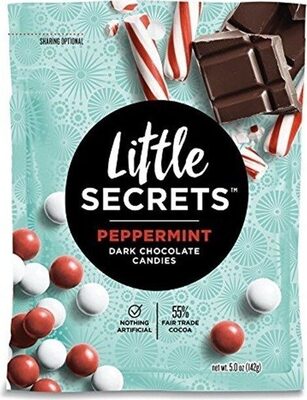 Little Secrets, LLC
Peppermint In Dark Chocolate Pieces, Peppermint
High in saturated fat — 22% DV per serving
High in added sugars — 34% DV per serving
467kcal
3.3Protein
23.3Fat
70Carbs
Little Secrets, LLC
Peanut Butter In Dark Chocolate Eggs, Peanut Butter
High in saturated fat — 40% DV per serving
High in added sugars — 32% DV per serving
500kcal
5Protein
27.5Fat
65Carbs
Little Secrets, LLC
Sea Salted Almond In Dark Chocolate Eggs, Sea Salted Almond
High in saturated fat — 20% DV per serving
High in added sugars — 36% DV per serving
500kcal
7.5Protein
30Fat
57.5Carbs
Little Secrets, LLC
Peppermint In Dark Chocolate Pieces, Peppermint
High in saturated fat — 22% DV per serving
High in added sugars — 34% DV per serving
467kcal
3.3Protein
23.3Fat
70Carbs
Little Secrets, LLC
Peanut Butter In Dark Chocolate Eggs, Peanut Butter
High in saturated fat — 40% DV per serving
High in added sugars — 32% DV per serving
500kcal
5Protein
27.5Fat
65Carbs
Little Secrets, LLC
Sea Salted Almond In Dark Chocolate Eggs, Sea Salted Almond
High in saturated fat — 20% DV per serving
High in added sugars — 36% DV per serving
500kcal
7.5Protein
30Fat
57.5Carbs
Learn more
Auto-generated content. This description was generated automatically and is pending editorial review. Inaccuracies are possible. Found a mistake? Contact us.