Fermentum
What is Fermentum?
Fermentum is a term used in scientific contexts to refer to the process of fermentation, which involves microorganisms like bacteria or yeast breaking down substances. In food, it often refers to the starter cultures used to produce fermented foods like yogurt, kefir, or cheese. These cultures are live microorganisms that transform raw ingredients into desired products.
Is Fermentum a major allergen?
Fermentum itself is not a major allergen.
What is Fermentum used for?
Manufacturers use fermentum, or the cultures it represents, to create the characteristic tangy flavors and textures of fermented foods.
Is Fermentum safe?
The live microorganisms in fermented foods are generally recognized as safe (GRAS) by the FDA when used as intended.
Why it's used
Manufacturers use fermentum, or the cultures it represents, to create the characteristic tangy flavors and textures of fermented foods. These cultures also help preserve the food by producing acids that inhibit spoilage organisms. They are commonly found in dairy products like yogurt and kefir, as well as in some juices and vegetable products.
Health notes
The live microorganisms in fermented foods are generally recognized as safe (GRAS) by the FDA when used as intended. These cultures are often associated with potential benefits for gut health due to their probiotic nature. International bodies like JECFA and EFSA have evaluated various specific bacterial cultures used in fermentation, generally finding them safe for consumption. Evidence for specific health benefits is ongoing and varies by the specific strains of microorganisms present.
Allergen info
Fermentum itself is not a major allergen. However, the foods in which it is used, such as dairy products, may contain major allergens like milk.
Foods that contain Fermentum
Compare products →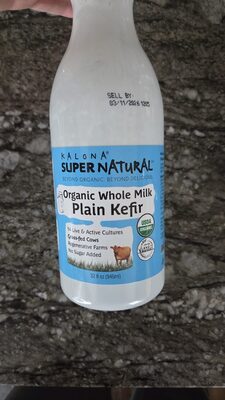
Auto-generated content. This description was generated automatically and is pending editorial review. Inaccuracies are possible. Found a mistake? Contact us.