Filling: Kimchi
What is Filling: Kimchi?
Kimchi is a traditional Korean side dish made from fermented vegetables, most commonly napa cabbage and Korean radish. The vegetables are seasoned with a variety of spices, including chili powder, garlic, ginger, and scallions, and then fermented for days or even months. This fermentation process gives kimchi its characteristic spicy, sour, and umami flavor.
Is Filling: Kimchi a major allergen?
Kimchi is not a major allergen.
What is Filling: Kimchi used for?
Kimchi is primarily used as a flavor enhancer and condiment, adding a spicy and tangy kick to dishes.
Is Filling: Kimchi safe?
Kimchi is generally considered safe to eat and is a source of probiotics, vitamins, and fiber.
Why it's used
Kimchi is primarily used as a flavor enhancer and condiment, adding a spicy and tangy kick to dishes. It is a staple in Korean cuisine and is often served alongside rice, noodles, and grilled meats. In packaged foods, it's frequently found in frozen appetizers, dumplings, and as a filling or topping for various savory items.
Health notes
Kimchi is generally considered safe to eat and is a source of probiotics, vitamins, and fiber. The fermentation process can produce beneficial bacteria. While generally healthy, some individuals may experience digestive discomfort due to its spiciness and acidity. Regulatory bodies like the FDA have not set specific limits for kimchi consumption, and it is not typically evaluated by international bodies like JECFA or EFSA as a specific food additive.
Allergen info
Kimchi is not a major allergen. However, some recipes may include ingredients like fish sauce or shrimp paste, which are derived from shellfish or fish, respectively, and would be considered allergens.
Foods that contain Filling: Kimchi
Compare products →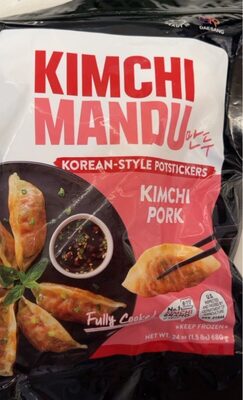 Bahamas Rum Cake Factory Ltd.
Korean-Style Kimchi Pork Mandu Potstickers, Korean-Style
High in sodium — 27% DV per serving
185kcal
7.4Protein
8.2Fat
21.5Carbs
Bahamas Rum Cake Factory Ltd.
Korean-Style Kimchi Pork Mandu Potstickers, Korean-Style
High in sodium — 27% DV per serving
185kcal
7.4Protein
8.2Fat
21.5Carbs
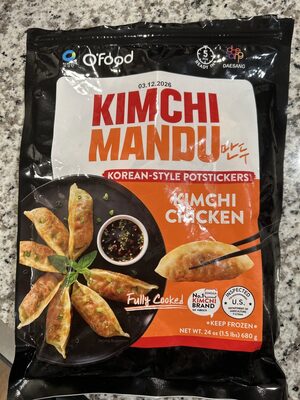 Bahamas Rum Cake Factory Ltd.
Kimchi Chicken Cheese Kimchi Mandu Korean-Style Potstickers, Kimchi Chicken Cheese
High in sodium — 27% DV per serving
133kcal
7.4Protein
2.2Fat
22.2Carbs
Bahamas Rum Cake Factory Ltd.
Kimchi Chicken Mandu Korean-Style Potstickers, Kimchi Chicken
High in sodium — 26% DV per serving
148kcal
8.2Protein
3.3Fat
21.5Carbs
Bahamas Rum Cake Factory Ltd.
Kimchi Chicken Cheese Kimchi Mandu Korean-Style Potstickers, Kimchi Chicken Cheese
High in sodium — 27% DV per serving
133kcal
7.4Protein
2.2Fat
22.2Carbs
Bahamas Rum Cake Factory Ltd.
Kimchi Chicken Mandu Korean-Style Potstickers, Kimchi Chicken
High in sodium — 26% DV per serving
148kcal
8.2Protein
3.3Fat
21.5Carbs
Auto-generated content. This description was generated automatically and is pending editorial review. Inaccuracies are possible. Found a mistake? Contact us.