Flaked Almonds
What is Flaked Almonds?
Flaked almonds are thin, dried slices of almonds, a type of tree nut. They are produced by blanching whole almonds to remove their skins, then slicing them thinly and drying them. This process creates a delicate texture and a mild, nutty flavor.
Is Flaked Almonds vegan?
Flaked Almonds is not animal-derived. Products that contain it can still include other animal-derived ingredients, so check the full ingredient list.
Is Flaked Almonds gluten-free?
They do not contain gluten.
Is Flaked Almonds a major allergen?
Almonds are one of the 9 FDA major allergens, classified as a tree nut.
What is Flaked Almonds used for?
Flaked almonds are primarily used as a decorative topping and textural element in various foods.
Is Flaked Almonds safe?
Almonds are a source of healthy fats, fiber, vitamins, and minerals.
Why it's used
Flaked almonds are primarily used as a decorative topping and textural element in various foods. They add a visual appeal and a slight crunch to baked goods, cereals, yogurts, and desserts. They are also incorporated into granola, trail mixes, and some savory dishes for added flavor and texture.
Health notes
Almonds are a source of healthy fats, fiber, vitamins, and minerals. They are generally recognized as safe (GRAS) by the FDA for use in food. While almonds are nutritious, they are also calorie-dense. JECFA has evaluated almonds and found them to be safe. No specific health controversies are associated with typical consumption of flaked almonds.
Allergen info
Almonds are one of the 9 FDA major allergens, classified as a tree nut. They do not contain gluten.
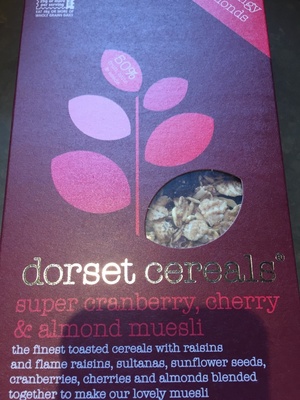
Foods that contain Flaked Almonds
Compare products →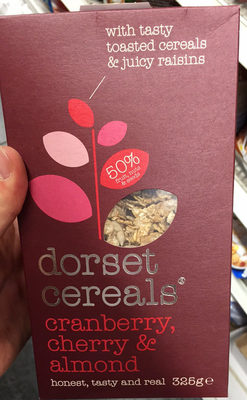
Auto-generated content. This description was generated automatically and is pending editorial review. Inaccuracies are possible. Found a mistake? Contact us.