Fruit: Organic Sugar
Auto-generated content. This description was generated automatically and is pending editorial review. Inaccuracies are possible. Found a mistake? Contact us.
What it is
Organic sugar is a type of sugar produced from sugar cane or sugar beets that have been grown and processed according to organic farming standards. This means no synthetic pesticides or fertilizers are used, and the processing avoids certain chemical treatments. It is often less refined than white sugar, which can give it a light brown color and a slightly different flavor.
Why it's used
Organic sugar is primarily used as a sweetener to enhance the taste of a wide variety of foods and beverages. It is commonly found in products like yogurts, jams, jellies, and fruit spreads, where it adds sweetness and can also contribute to texture.
Health notes
Organic sugar is generally recognized as safe (GRAS) by the FDA. Like all added sugars, it provides calories. The 2025-2030 Dietary Guidelines for Americans recommend no amount of added sugars, and at most 10 grams of added sugars per meal, due to concerns about excessive intake contributing to health issues. The World Health Organization (WHO) advises keeping free sugars under 10% of total energy intake. JECFA and EFSA have evaluated sugars, noting their role in diet. While organic sugar is produced differently, its nutritional impact as an added sugar is similar to other sugars.
Allergen info
Organic sugar is not a major allergen and does not contain gluten.
Products containing Fruit: Organic Sugar
Compare products →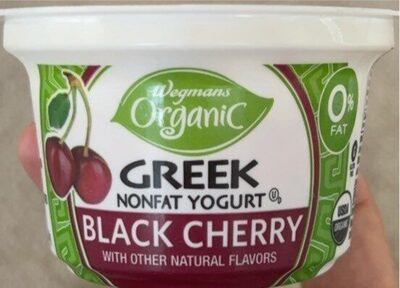 Wegmans Food Markets, Inc.
Black Cherry Greek Nonfat Yogurt, Black Cherry
80kcal
8.7Protein
0Fat
11.3Carbs
Wegmans Food Markets, Inc.
Black Cherry Greek Nonfat Yogurt, Black Cherry
80kcal
8.7Protein
0Fat
11.3Carbs
 Wegmans Food Markets, Inc.
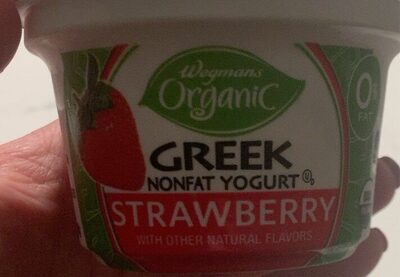
Strawberry Greek Nonfat Yogurt, Strawberry
High in added sugars — 22% DV per serving
80kcal
8.7Protein
0Fat
10.7Carbs
Wegmans Food Markets, Inc.
Strawberry Greek Nonfat Yogurt, Strawberry
High in added sugars — 22% DV per serving
80kcal
8.7Protein
0Fat
10.7Carbs