Bulgaricus
What is Bulgaricus?
Lactobacillus bulgaricus (often shortened to L. bulgaricus or just "Bulgaricus" on labels) is a type of lactic acid bacteria. It is a microorganism widely used as a starter culture in dairy fermentation, typically grown in a controlled environment for commercial use.
Is Bulgaricus vegan?
Bulgaricus is not animal-derived. Products that contain it can still include other animal-derived ingredients, so check the full ingredient list.
Is Bulgaricus a major allergen?
Not a major allergen.
What is Bulgaricus used for?
This bacterium is primarily used in the production of yogurt, often alongside Streptococcus thermophilus.
Is Bulgaricus safe?
Lactobacillus bulgaricus is generally recognized as safe (GRAS) by the FDA for use in food, particularly fermented dairy products.
Why it's used
This bacterium is primarily used in the production of yogurt, often alongside Streptococcus thermophilus. It ferments lactose (milk sugar) into lactic acid, which gives yogurt its characteristic tangy flavor and thick texture. It also helps preserve the milk and contributes to the product's shelf life.
Health notes
Lactobacillus bulgaricus is generally recognized as safe (GRAS) by the FDA for use in food, particularly fermented dairy products. It is considered a probiotic, and while specific health claims are usually made for the final food product, it is associated with supporting digestive health. JECFA has evaluated various Lactobacillus species and generally considers them safe for consumption. There are no notable controversies regarding its safety as a food ingredient.
Allergen info
Not a major allergen. Lactobacillus bulgaricus is a bacterium and is not derived from milk, eggs, fish, shellfish, tree nuts, peanuts, wheat, soy, or sesame.
Foods that contain Bulgaricus
Compare products →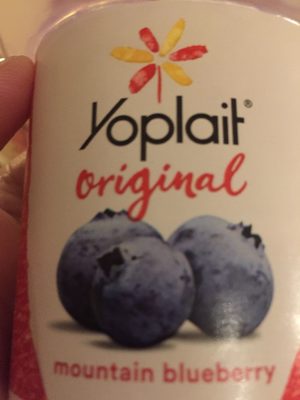











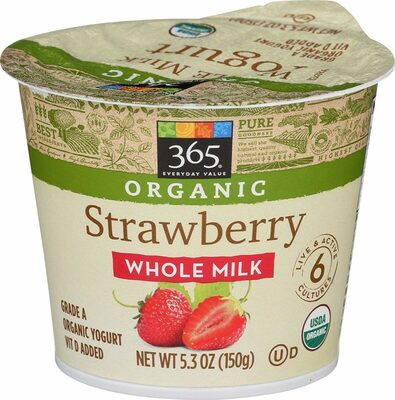


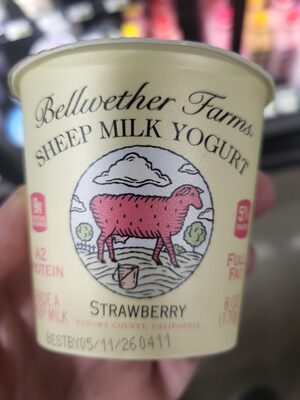
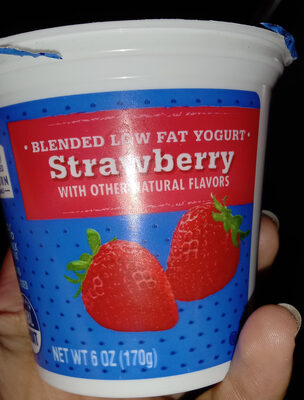

Auto-generated content. This description was generated automatically and is pending editorial review. Inaccuracies are possible. Found a mistake? Contact us.