Bifidus
What is Bifidus?
Bifidus is a type of beneficial bacteria, often referring to strains of *Bifidobacterium* species. These bacteria are naturally found in the gut of humans and animals. They are commonly added to foods as live cultures through fermentation processes.
Is Bifidus a major allergen?
Bifidus itself is a bacterium and not one of the 9 FDA major allergens.
What is Bifidus used for?
Bifidus is added to foods to provide live and active cultures, often marketed for their potential probiotic benefits.
Is Bifidus safe?
In the US, *Bifidobacterium* strains are generally recognized as safe (GRAS) by the FDA when used in foods.
Why it's used
Bifidus is added to foods to provide live and active cultures, often marketed for their potential probiotic benefits. It is commonly found in dairy products like yogurt and kefir, as well as some fermented beverages and dietary supplements.
Health notes
In the US, *Bifidobacterium* strains are generally recognized as safe (GRAS) by the FDA when used in foods. These bacteria are considered probiotics, which are live microorganisms that may offer health benefits when consumed in adequate amounts, particularly for gut health. International bodies like JECFA have evaluated various *Bifidobacterium* strains. While generally considered safe, research is ongoing to fully understand the specific health effects of different strains and their impact on the microbiome.
Allergen info
Bifidus itself is a bacterium and not one of the 9 FDA major allergens. However, it is often found in dairy products, which are a major allergen.
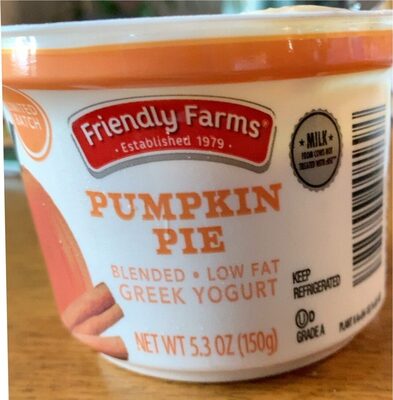
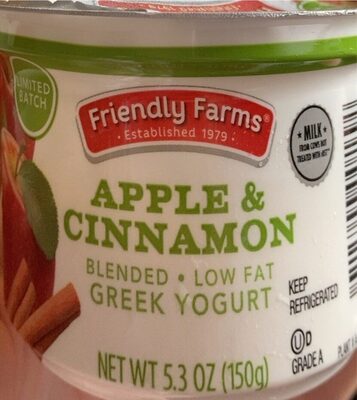
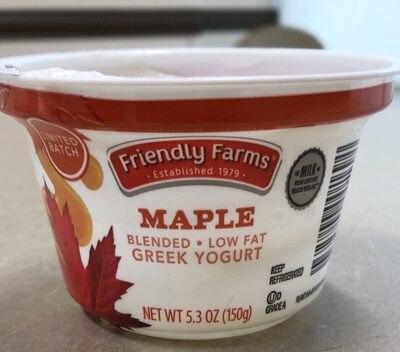
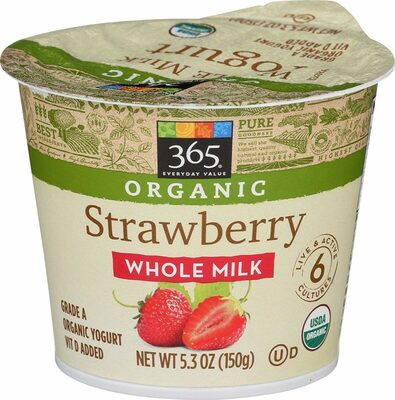
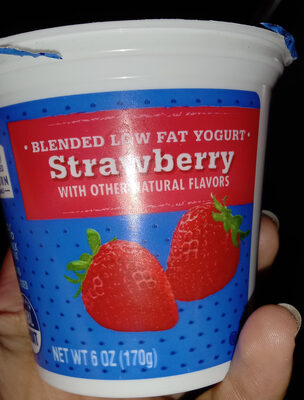
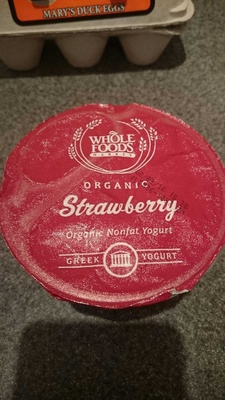
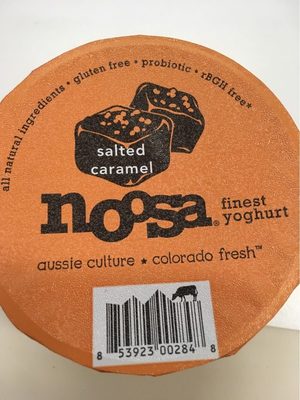
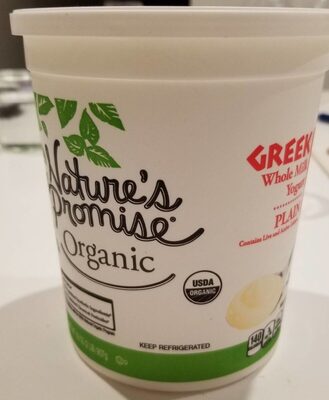
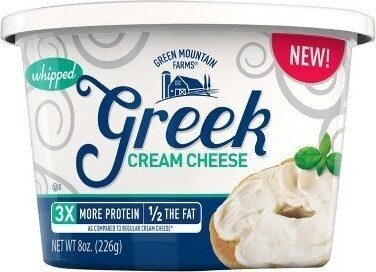
Foods that contain Bifidus
Compare products →






Auto-generated content. This description was generated automatically and is pending editorial review. Inaccuracies are possible. Found a mistake? Contact us.