Garlic And Other Spices
Auto-generated content. This description was generated automatically and is pending editorial review. Inaccuracies are possible. Found a mistake? Contact us.
What it is
Garlic is a species of allium, related to onions, shallots, and leeks. It is native to Central Asia and northeastern Iran and has long been a common seasoning worldwide. Spices are dried seeds, fruits, roots, bark, or vegetative substances used for flavoring, coloring, or preserving food.
Why it's used
Garlic and other spices are used to add flavor and aroma to a wide variety of foods. Manufacturers use them in savory dishes like soups, stews, meats, and pasta sauces, as well as in spice blends, marinades, and rubs. They are also found in some baked goods and snacks for added complexity.
Health notes
Garlic and common spices are generally recognized as safe (GRAS) by the FDA for use in food. They are primarily used in small amounts for flavoring. Regulatory bodies like JECFA have evaluated many individual spices, but specific health effects are typically associated with consuming large quantities or concentrated supplements. Research into potential health benefits of garlic and certain spices is ongoing, but effects at typical dietary intake levels are not well-established.
Allergen info
Garlic is not one of the 9 FDA major allergens. Some individual spices may be processed in facilities that also handle allergens, but garlic itself does not pose an allergen risk. Gluten is not typically associated with garlic or most common spices.
Products containing Garlic And Other Spices
Compare products →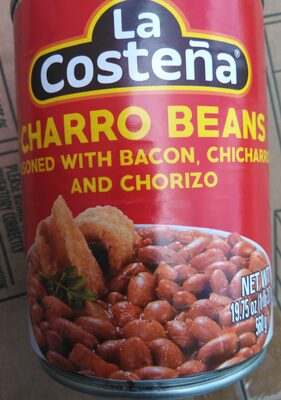 Conservas La Costena S.A.
Charro Beans With Bacon, Chicharron And Garlic Sausage
High in sodium — 23% DV per serving
80kcal
4.5Protein
2.2Fat
10.7Carbs
King Fresh Produce & Hazelnuts
Sweet & Spicy Hazelnuts, Sweet & Spicy
893kcal
17.9Protein
78.6Fat
39.3Carbs
Royal Montego Trading LLC
Jamaican Curry Powder, Jamaican
0kcal
0Protein
0Fat
100Carbs
Conservas La Costena S.A.
Charro Beans With Bacon, Chicharron And Garlic Sausage
High in sodium — 23% DV per serving
80kcal
4.5Protein
2.2Fat
10.7Carbs
King Fresh Produce & Hazelnuts
Sweet & Spicy Hazelnuts, Sweet & Spicy
893kcal
17.9Protein
78.6Fat
39.3Carbs
Royal Montego Trading LLC
Jamaican Curry Powder, Jamaican
0kcal
0Protein
0Fat
100Carbs
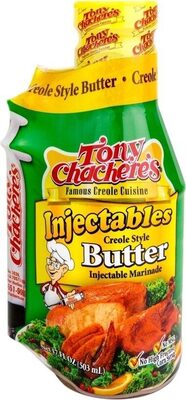 Tony Chachere's Creole Foods of Opelousas Inc.
Tony Chachere's Butter Injectable Marinade 17 oz
0kcal
0.2Protein
0Fat
0Carbs
Tony Chachere's Creole Foods of Opelousas Inc.
Tony Chachere's Butter Injectable Marinade 17 oz
0kcal
0.2Protein
0Fat
0Carbs
 Tony Chachere's Creole Foods of Opelousas Inc.
Tony Chachere's Creole Butter & Jalapeno Injectable Marinade 17oz.
14kcal
0.2Protein
0.8Fat
1.9Carbs
Tony Chachere's Creole Foods of Opelousas Inc.
Tony Chachere's Creole Butter & Jalapeno Injectable Marinade 17oz.
14kcal
0.2Protein
0.8Fat
1.9Carbs