Garlic Puree Roasted
What is Garlic Puree Roasted?
Roasted garlic puree is made from fresh garlic that has been roasted until soft and sweet, then pureed. Roasting mellows the sharp flavor of raw garlic, bringing out a deeper, sweeter taste. It is often used to add a rich, savory, and slightly sweet garlic flavor to foods.
Is Garlic Puree Roasted vegan?
Garlic Puree Roasted is not animal-derived. Products that contain it can still include other animal-derived ingredients, so check the full ingredient list.
Is Garlic Puree Roasted gluten-free?
Garlic is not one of the 9 major FDA allergens, nor is it a source of gluten.
What is Garlic Puree Roasted used for?
Manufacturers add roasted garlic puree to enhance the savory and sweet notes of a wide variety of foods.
Is Garlic Puree Roasted safe?
Garlic and its extracts are generally recognized as safe (GRAS) by the FDA for food use.
Why it's used
Manufacturers add roasted garlic puree to enhance the savory and sweet notes of a wide variety of foods. It is commonly found in sauces, marinades, seasonings, dips, and rubs, where it provides a complex garlic flavor without the harshness of raw garlic.
Health notes
Garlic and its extracts are generally recognized as safe (GRAS) by the FDA for food use. While garlic has been studied for various health effects, such as its potential impact on heart health and the immune system, the scientific evidence is mixed and ongoing. Regulatory bodies like EFSA have evaluated garlic and its components. At typical dietary levels, it is not associated with adverse health effects.
Allergen info
Garlic is not one of the 9 major FDA allergens, nor is it a source of gluten. Not a major allergen.
Foods that contain Garlic Puree Roasted
Compare products →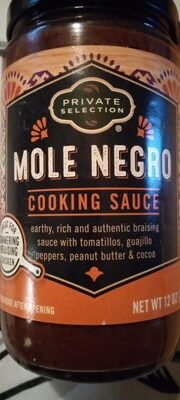 The Kroger Co.
Mole Negro Cooking Sauce, Mole Negro
133kcal
3.3Protein
5.8Fat
18.3Carbs
Delhaize America, Inc.
BBQ Sauce, Kentucky Bourbon
High in added sugars — 24% DV per serving
167kcal
2.8Protein
0Fat
38.9Carbs
Ahold USA, Inc.
Limoncello Inspired Marinade With Sweet Roasted Garlic & Natural Lemon, Sweet Roasted Garlic & Natural Lemon
267kcal
0Protein
20Fat
13.3Carbs
The Kroger Co.
Mole Negro Cooking Sauce, Mole Negro
133kcal
3.3Protein
5.8Fat
18.3Carbs
Delhaize America, Inc.
BBQ Sauce, Kentucky Bourbon
High in added sugars — 24% DV per serving
167kcal
2.8Protein
0Fat
38.9Carbs
Ahold USA, Inc.
Limoncello Inspired Marinade With Sweet Roasted Garlic & Natural Lemon, Sweet Roasted Garlic & Natural Lemon
267kcal
0Protein
20Fat
13.3Carbs
Learn more
Auto-generated content. This description was generated automatically and is pending editorial review. Inaccuracies are possible. Found a mistake? Contact us.