Garnish: Carrots
What is Garnish: Carrots?
Carrots are root vegetables, typically orange in color, though other colors like purple, red, yellow, and white exist. They grow underground and are cultivated worldwide for their sweet flavor and nutritional value. Carrots are often eaten raw, cooked, or juiced.
Is Garnish: Carrots vegan?
Garnish: Carrots is not animal-derived. Products that contain it can still include other animal-derived ingredients, so check the full ingredient list.
Is Garnish: Carrots gluten-free?
They do not contain gluten.
Is Garnish: Carrots a major allergen?
Carrots are not a major allergen.
What is Garnish: Carrots used for?
Carrots are used as a vegetable in a wide variety of dishes, adding color, texture, and a slightly sweet flavor.
Is Garnish: Carrots safe?
Carrots are a good source of beta-carotene, which the body converts to vitamin A, important for vision and immune function.
Why it's used
Carrots are used as a vegetable in a wide variety of dishes, adding color, texture, and a slightly sweet flavor. They are commonly found in frozen meals, soups, stews, salads, and as a side dish. Manufacturers use them for their natural sweetness and nutritional contribution.
Health notes
Carrots are a good source of beta-carotene, which the body converts to vitamin A, important for vision and immune function. They also provide fiber and antioxidants. Regulatory bodies like the FDA consider carrots a safe food ingredient. No specific health concerns are associated with typical consumption of carrots.
Allergen info
Carrots are not a major allergen. They do not contain gluten.
Foods that contain Garnish: Carrots
Compare products →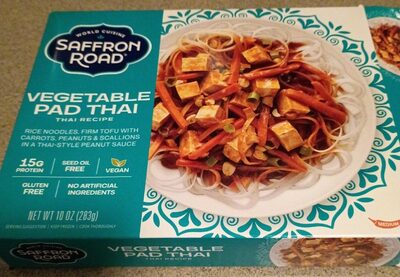 American Halal Company, Inc.
Vegetable Pad Thai With Rice Noodles Handcrafted Firm Tofu With Carrots, Scallions And Peanuts In A Thai-Style Peanut Sauce, Vegetable Pad Thai
High in sodium — 26% DV per serving
High in added sugars — 26% DV per serving
148kcal
5.3Protein
4.6Fat
22.6Carbs
American Halal Company, Inc.
Chicken Pad Thai With Rice Noodles
High in sodium — 22% DV per serving
159kcal
6.4Protein
3.5Fat
24.7Carbs
Star Markets Co.
Chicken Pad Thai
High in sodium — 22% DV per serving
159kcal
6.4Protein
3.5Fat
24.7Carbs
American Halal Company, Inc.
Vegetable Pad Thai With Rice Noodles Handcrafted Firm Tofu With Carrots, Scallions And Peanuts In A Thai-Style Peanut Sauce, Vegetable Pad Thai
High in sodium — 26% DV per serving
High in added sugars — 26% DV per serving
148kcal
5.3Protein
4.6Fat
22.6Carbs
American Halal Company, Inc.
Chicken Pad Thai With Rice Noodles
High in sodium — 22% DV per serving
159kcal
6.4Protein
3.5Fat
24.7Carbs
Star Markets Co.
Chicken Pad Thai
High in sodium — 22% DV per serving
159kcal
6.4Protein
3.5Fat
24.7Carbs
Auto-generated content. This description was generated automatically and is pending editorial review. Inaccuracies are possible. Found a mistake? Contact us.