Glycyrrhizine Extract
What is Glycyrrhizine Extract?
Glycyrrhizin extract comes from the root of the licorice plant (Glycyrrhiza glabra). It is a natural sweetener that is much sweeter than sugar and has a distinct licorice flavor. The extract is typically produced by boiling the licorice root in water and then concentrating the liquid.
Is Glycyrrhizine Extract vegan?
Glycyrrhizine Extract is not animal-derived. Products that contain it can still include other animal-derived ingredients, so check the full ingredient list.
Is Glycyrrhizine Extract gluten-free?
It is derived from a plant and does not contain gluten.
Is Glycyrrhizine Extract a major allergen?
Not a major allergen.
What is Glycyrrhizine Extract used for?
Glycyrrhizin extract is used as a natural sweetener and flavor enhancer in a variety of foods and beverages.
Is Glycyrrhizine Extract safe?
Glycyrrhizin extract is generally recognized as safe (GRAS) by the FDA for use as a flavoring agent.
Why it's used
Glycyrrhizin extract is used as a natural sweetener and flavor enhancer in a variety of foods and beverages. It is often found in candies, chewing gum, baked goods, and some beverages. Its intense sweetness and unique flavor profile make it a popular choice for adding a distinct taste.
Health notes
Glycyrrhizin extract is generally recognized as safe (GRAS) by the FDA for use as a flavoring agent. However, consuming large amounts of glycyrrhizin can lead to adverse health effects, including elevated blood pressure and low potassium levels. The Joint FAO/WHO Expert Committee on Food Additives (JECFA) has evaluated glycyrrhizin. Some studies suggest potential benefits, but more research is needed to confirm these effects.
Allergen info
Not a major allergen. It is derived from a plant and does not contain gluten.
Foods that contain Glycyrrhizine Extract
Compare products →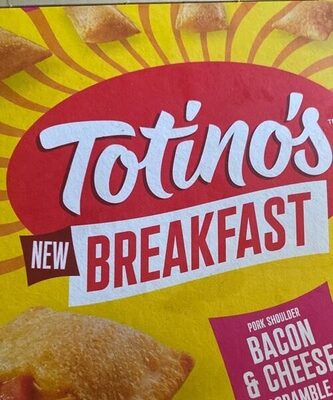 GENERAL MILLS SALES INC.
Totino's Pork Shoulder Bacon & Cheese Scramble Breakfast Snack Bites 40 Count
High in sodium — 25% DV per serving
High in saturated fat — 24% DV per serving
247kcal
7.8Protein
9.8Fat
32.8Carbs
GENERAL MILLS SALES INC.
Totino's Pork Shoulder Bacon & Cheese Scramble Breakfast Snack Bites 40 Count
High in sodium — 25% DV per serving
High in saturated fat — 24% DV per serving
247kcal
7.8Protein
9.8Fat
32.8Carbs
 GENERAL MILLS SALES INC.
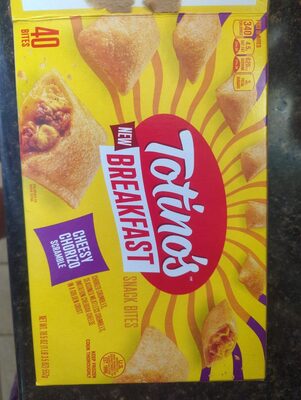
Totino's Cheesy Chorizo Scramble Breakfast Snack Bites 40 Count
High in sodium — 25% DV per serving
High in saturated fat — 21% DV per serving
240kcal
7Protein
10Fat
33Carbs
GENERAL MILLS SALES INC.
Totino's Sausage & Cheese Scramble Breakfast Snack Bites 40 Count
High in sodium — 28% DV per serving
High in saturated fat — 20% DV per serving
245kcal
7.9Protein
8.6Fat
35.2Carbs
GENERAL MILLS SALES INC.
Totino's Cheesy Chorizo Scramble Breakfast Snack Bites 40 Count
High in sodium — 25% DV per serving
High in saturated fat — 21% DV per serving
240kcal
7Protein
10Fat
33Carbs
GENERAL MILLS SALES INC.
Totino's Sausage & Cheese Scramble Breakfast Snack Bites 40 Count
High in sodium — 28% DV per serving
High in saturated fat — 20% DV per serving
245kcal
7.9Protein
8.6Fat
35.2Carbs
Learn more
Auto-generated content. This description was generated automatically and is pending editorial review. Inaccuracies are possible. Found a mistake? Contact us.