Grade A Cultured Pasteurized Nonfat Milk
Auto-generated content. This description was generated automatically and is pending editorial review. Inaccuracies are possible. Found a mistake? Contact us.
What it is
This ingredient is milk from cows that has been pasteurized (heated to kill bacteria) and then had a bacterial culture added to make it thick and tangy. It is nonfat, meaning most of the fat has been removed.
Why it's used
Manufacturers use cultured pasteurized nonfat milk to add a creamy texture and a slightly sour taste to foods. It is commonly found in yogurt, sour cream, and some cheeses.
Health notes
Grade A cultured pasteurized nonfat milk is a common food ingredient and is generally recognized as safe (GRAS) by the FDA. It is a source of protein and calcium. International bodies like JECFA and EFSA have evaluated milk and dairy products. No significant health concerns are associated with consuming typical amounts of this ingredient.
Allergen info
This ingredient is derived from milk, which is one of the nine major allergens recognized by the FDA.
Products containing Grade A Cultured Pasteurized Nonfat Milk
Compare products →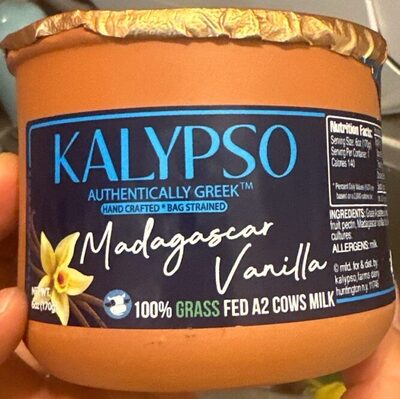 Strategic Studies Group
Tahitian Vanilla Fruit On The Bottom Greek Nonfat Yogurt, Tahitian Vanilla
71kcal
9.4Protein
0Fat
8.8Carbs
Strategic Studies Group
Mango Guanabana Fruit On The Bottom Greek Nonfat Yogurt, Mango Guanabana
71kcal
9.4Protein
0Fat
8.8Carbs
Strategic Studies Group
Mixed Berries Fruit On The Bottom Greek Nonfat Yogurt, Mixed Berries
71kcal
9.4Protein
0Fat
7.7Carbs
Strategic Studies Group
Tahitian Vanilla Fruit On The Bottom Greek Nonfat Yogurt, Tahitian Vanilla
71kcal
9.4Protein
0Fat
8.8Carbs
Strategic Studies Group
Mango Guanabana Fruit On The Bottom Greek Nonfat Yogurt, Mango Guanabana
71kcal
9.4Protein
0Fat
8.8Carbs
Strategic Studies Group
Mixed Berries Fruit On The Bottom Greek Nonfat Yogurt, Mixed Berries
71kcal
9.4Protein
0Fat
7.7Carbs
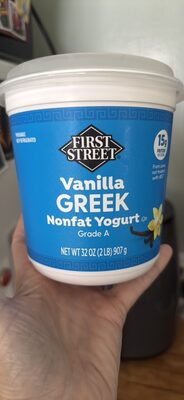 Smart & Final Iris Corporation
Vanilla Greek Nonfat Yogurt, Vanilla
High in added sugars — 24% DV per serving
82kcal
8.8Protein
0.3Fat
10.6Carbs
Strategic Studies Group
Toasted Coconut Fruit On The Bottom Greek Nonfat Yogurt, Toasted Coconut
82kcal
9.4Protein
0Fat
8.8Carbs
Smart & Final Iris Corporation
Vanilla Greek Nonfat Yogurt, Vanilla
High in added sugars — 24% DV per serving
82kcal
8.8Protein
0.3Fat
10.6Carbs
Strategic Studies Group
Toasted Coconut Fruit On The Bottom Greek Nonfat Yogurt, Toasted Coconut
82kcal
9.4Protein
0Fat
8.8Carbs