Graham Cracker Swirl
What is Graham Cracker Swirl?
Graham cracker swirl is a sweet, often cinnamon-spiced mixture resembling the filling of a graham cracker pie or cheesecake. It is typically made from crushed graham crackers, sugar, butter or oil, and sometimes cream cheese or other dairy ingredients.
Is Graham Cracker Swirl a major allergen?
Graham cracker swirl is typically made with wheat and may contain soy or dairy ingredients, which are among the 9 FDA major allergens.
What is Graham Cracker Swirl used for?
Manufacturers use graham cracker swirl to add a distinct flavor and texture to frozen desserts like ice cream and yogurt.
Is Graham Cracker Swirl safe?
Graham cracker swirl is generally recognized as safe (GRAS) by the FDA when used in food.
Why it's used
Manufacturers use graham cracker swirl to add a distinct flavor and texture to frozen desserts like ice cream and yogurt. It provides a sweet, slightly crunchy or chewy element that complements the base product.
Health notes
Graham cracker swirl is generally recognized as safe (GRAS) by the FDA when used in food. It is primarily composed of common food ingredients like sugar, flour, and fat, which are consumed in many other foods. Regulatory bodies like JECFA and EFSA have evaluated many of the individual components of graham cracker swirl. Evidence does not suggest adverse health effects from typical consumption levels.
Allergen info
Graham cracker swirl is typically made with wheat and may contain soy or dairy ingredients, which are among the 9 FDA major allergens. It is not a major allergen on its own but may contain allergens depending on the specific formulation.
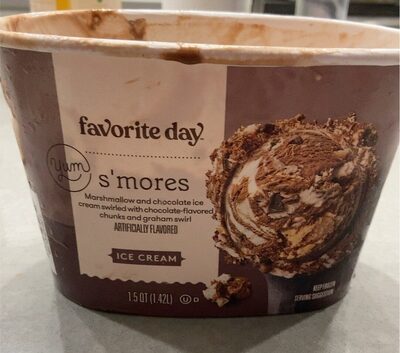
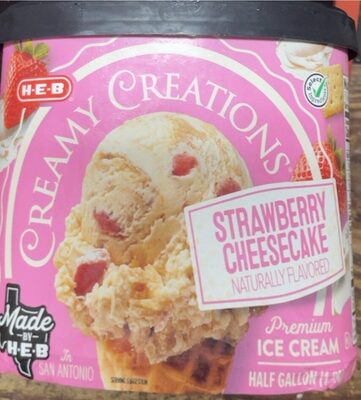
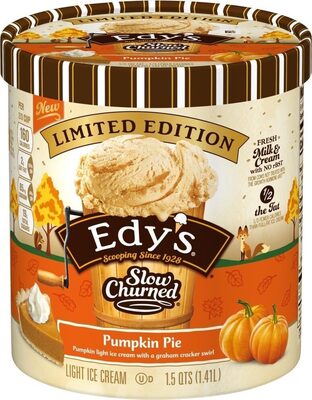
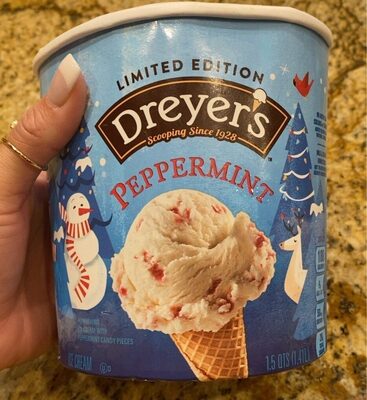
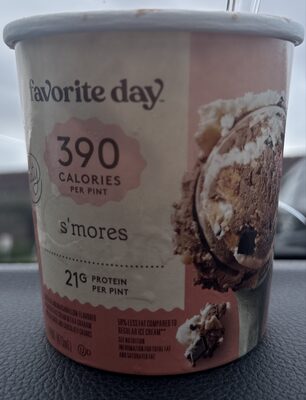
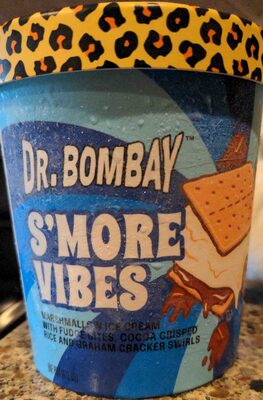
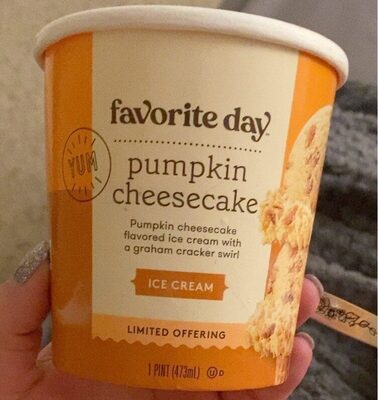
Foods that contain Graham Cracker Swirl
Compare products →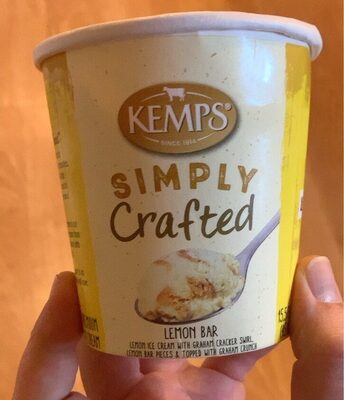
Auto-generated content. This description was generated automatically and is pending editorial review. Inaccuracies are possible. Found a mistake? Contact us.