Granular And Provolone Cheese
Auto-generated content. This description was generated automatically and is pending editorial review. Inaccuracies are possible. Found a mistake? Contact us.
What it is
Granular cheese is a type of hard, aged cheese, often made from cow's milk. Provolone is a semi-hard Italian cheese, also typically made from cow's milk, known for its smooth texture and mild, slightly sharp flavor when aged. Both are produced by curdling milk with rennet, then processing the curd into a firm cheese.
Why it's used
Manufacturers use granular and provolone cheeses to add a savory, salty, and slightly tangy flavor to foods. They also contribute richness and a creamy texture when melted. They are commonly found in pasta dishes, pizzas, sauces, frozen meals, and baked goods.
Health notes
Provolone and granular cheeses are generally recognized as safe (GRAS) by the FDA as food ingredients. They are a source of protein, calcium, and other nutrients. Regulatory bodies like JECFA and EFSA have evaluated cheese and dairy products, generally considering them safe for consumption within a balanced diet. Concerns about cheese consumption often relate to saturated fat and sodium content, which are relevant for individuals managing cardiovascular health.
Allergen info
Provolone and granular cheeses are derived from milk, which is one of the 9 FDA major allergens. They do not contain gluten.
Products containing Granular And Provolone Cheese
Compare products →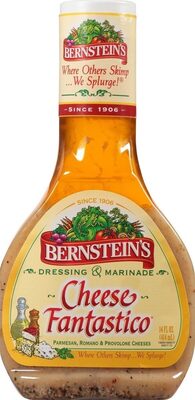 Pinnacle Foods Group LLC
Cheese Fantastico Dressing & Marinade, Cheese Fantastico
267kcal
3.3Protein
26.7Fat
3.3Carbs
Pinnacle Foods Group LLC
Cheese Fantastico Dressing & Marinade, Cheese Fantastico
267kcal
3.3Protein
26.7Fat
3.3Carbs
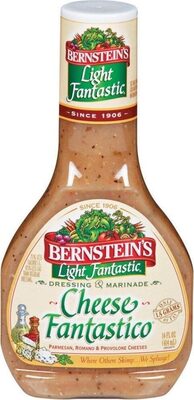 Conagra Brands, Inc
BERNSTEINS Light Cheese Fantastico Salad Dressing And Marinade, 14 fl. oz.
—kcal
3.1Protein
4.7Fat
9.4Carbs
Conagra Brands, Inc
BERNSTEINS Light Cheese Fantastico Salad Dressing And Marinade, 14 fl. oz.
—kcal
3.1Protein
4.7Fat
9.4Carbs