Whey
What is Whey?
Whey is a liquid byproduct created during the cheese-making process. When milk curdles, the solid curds are separated, leaving behind this yellowish-green liquid. It primarily consists of water, lactose (milk sugar), proteins, vitamins, and minerals.
Is Whey vegan?
No. Whey is animal-derived, so it is not vegan.
Is Whey a major allergen?
Whey is derived from milk, which is one of the nine major food allergens identified by the FDA.
What is Whey used for?
Manufacturers add whey to foods for its nutritional value, especially its protein content, and to improve texture and moisture.
Is Whey safe?
In the United States, whey is considered a common food ingredient and is generally recognized as safe (GRAS) by the FDA.
Why it's used
Manufacturers add whey to foods for its nutritional value, especially its protein content, and to improve texture and moisture. It is commonly found in baked goods, dairy products like yogurt and ice cream, protein powders, and snack foods.
Health notes
In the United States, whey is considered a common food ingredient and is generally recognized as safe (GRAS) by the FDA. While most people can consume whey without issues, individuals with lactose intolerance may experience digestive discomfort, depending on the amount of lactose present in the specific whey product. As a natural food component, it is not typically evaluated by JECFA or EFSA as a food additive. There are no major controversies regarding its safety for the general population.
Allergen info
Whey is derived from milk, which is one of the nine major food allergens identified by the FDA.
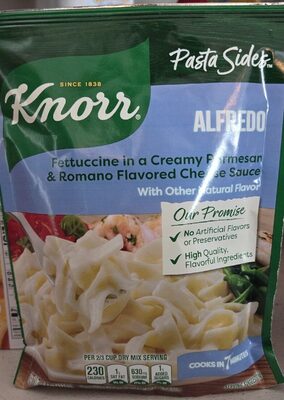
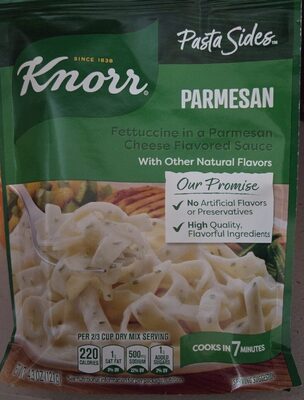
Foods that contain Whey
Compare products →

















Learn more
Auto-generated content. This description was generated automatically and is pending editorial review. Inaccuracies are possible. Found a mistake? Contact us.