Hawaii-grown Mamaki
What is Hawaii-grown Mamaki?
Mamaki is a leafy green herb native to Hawaii, where it grows wild and is also cultivated. It is traditionally brewed into a tea, often with other herbs or fruits, and is known for its slightly sweet and earthy flavor. The leaves are typically harvested and then dried for use in beverages.
Is Hawaii-grown Mamaki vegan?
Hawaii-grown Mamaki is not animal-derived. Products that contain it can still include other animal-derived ingredients, so check the full ingredient list.
Is Hawaii-grown Mamaki gluten-free?
It does not contain gluten.
Is Hawaii-grown Mamaki a major allergen?
Mamaki is not derived from any of the nine FDA major allergens.
What is Hawaii-grown Mamaki used for?
Mamaki is primarily used as a flavoring agent in beverages, particularly in teas.
Is Hawaii-grown Mamaki safe?
Mamaki is generally recognized as safe for consumption as a food ingredient.
Why it's used
Mamaki is primarily used as a flavoring agent in beverages, particularly in teas. Manufacturers add it to provide a unique, mild herbal taste and aroma, often combined with fruit or floral notes. It is most commonly found in bottled and iced teas.
Health notes
Mamaki is generally recognized as safe for consumption as a food ingredient. It is not a regulated additive by the FDA, meaning it does not require premarket approval. While traditionally used for its potential health benefits, scientific research on its specific effects at typical dietary intake levels is limited. No formal evaluations or limits have been set by international bodies like JECFA or EFSA.
Allergen info
Mamaki is not derived from any of the nine FDA major allergens. It does not contain gluten.
Foods that contain Hawaii-grown Mamaki
Compare products →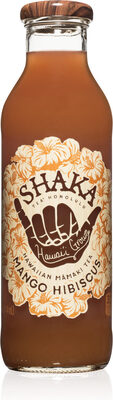 Shaka Beverages LLC
Mango Hibiscus Tea, Mango Hibiscus
0kcal
0Protein
0Fat
0Carbs
Shaka Beverages LLC
Mango Hibiscus Tea, Mango Hibiscus
0kcal
0Protein
0Fat
0Carbs
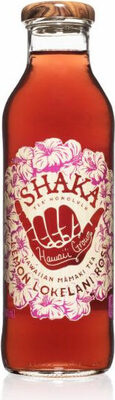 Shaka Beverages LLC
Lemon Lokelani Rose Tea, Lemon Lokelani Rose
0kcal
0Protein
0Fat
0Carbs
Shaka Beverages LLC
Lemon Lokelani Rose Tea, Lemon Lokelani Rose
0kcal
0Protein
0Fat
0Carbs
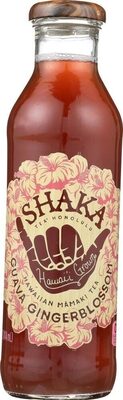 Shaka Beverages LLC
Guava Gingerblossom Hawaiian Mamaki Tea, Guava Gingerblossom
0kcal
0Protein
0Fat
0Carbs
Shaka Beverages LLC
Guava Gingerblossom Hawaiian Mamaki Tea, Guava Gingerblossom
0kcal
0Protein
0Fat
0Carbs
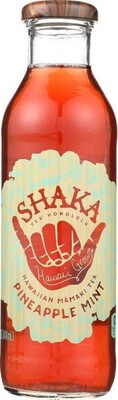 Shaka Beverages LLC
Pineapple Mint Hawaiian Mamaki Tea, Pineapple Mint
0kcal
0Protein
0Fat
0Carbs
Shaka Beverages LLC
Pineapple Mint Hawaiian Mamaki Tea, Pineapple Mint
0kcal
0Protein
0Fat
0Carbs
Auto-generated content. This description was generated automatically and is pending editorial review. Inaccuracies are possible. Found a mistake? Contact us.