Hibiscus Juice Concentrate
What is Hibiscus Juice Concentrate?
Hibiscus juice concentrate is made from the dried calyces (sepals) of the hibiscus sabdariffa flower, which are steeped in hot water to create a tea-like liquid. This liquid is then concentrated by removing water, resulting in a thick, syrupy liquid with a tart, cranberry-like flavor and a deep red color.
Is Hibiscus Juice Concentrate vegan?
Hibiscus Juice Concentrate is not animal-derived. Products that contain it can still include other animal-derived ingredients, so check the full ingredient list.
Is Hibiscus Juice Concentrate a major allergen?
Not a major allergen.
What is Hibiscus Juice Concentrate used for?
Manufacturers use hibiscus juice concentrate primarily for its vibrant color and tart flavor.
Is Hibiscus Juice Concentrate safe?
Hibiscus juice concentrate is generally recognized as safe (GRAS) by the FDA for use as a food ingredient.
Why it's used
Manufacturers use hibiscus juice concentrate primarily for its vibrant color and tart flavor. It can act as a natural coloring agent and add a fruity, tangy note to beverages like sodas, teas, and juices, as well as in some soups and desserts.
Health notes
Hibiscus juice concentrate is generally recognized as safe (GRAS) by the FDA for use as a food ingredient. It is a source of antioxidants, and some studies suggest potential benefits for blood pressure management, though more research is needed. JECFA and EFSA have evaluated hibiscus extracts, but no specific regulatory limits are typically set for the concentrate itself when used as a flavoring or coloring agent. Evidence regarding health benefits is still developing.
Allergen info
Not a major allergen.
Foods that contain Hibiscus Juice Concentrate
Compare products →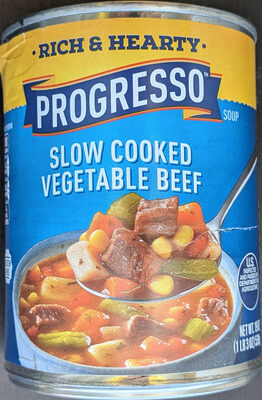 GENERAL MILLS SALES INC.
Progresso Rich & Hearty Slow Cooked Vegetable Beef Soup
High in sodium — 65% DV per serving
43kcal
2.4Protein
0.4Fat
7.4Carbs
GENERAL MILLS SALES INC.
Progresso Rich & Hearty Slow Cooked Vegetable Beef Soup
High in sodium — 65% DV per serving
43kcal
2.4Protein
0.4Fat
7.4Carbs
 GENERAL MILLS SALES INC.
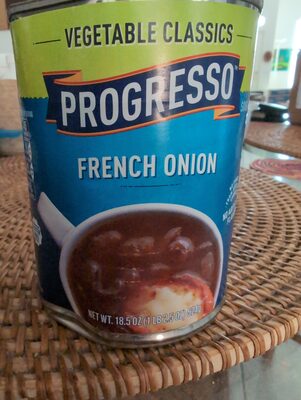
Progresso Vegetable Classics French Onion Soup
High in sodium — 30% DV per serving
20kcal
0.9Protein
0.2Fat
3.5Carbs
STUBBORN SODA
Stubborn Soda, Flavored Soda, Lemon Berry Acai
28kcal
0Protein
0Fat
7.6Carbs
QTG
Tropicana Trop50 Farmstand Apple Juice 59 Fluid Ounce Plastic Bottle
21kcal
0.0Protein
0Fat
5.1Carbs
GENERAL MILLS SALES INC.
Progresso Vegetable Classics French Onion Soup
High in sodium — 30% DV per serving
20kcal
0.9Protein
0.2Fat
3.5Carbs
STUBBORN SODA
Stubborn Soda, Flavored Soda, Lemon Berry Acai
28kcal
0Protein
0Fat
7.6Carbs
QTG
Tropicana Trop50 Farmstand Apple Juice 59 Fluid Ounce Plastic Bottle
21kcal
0.0Protein
0Fat
5.1Carbs
Auto-generated content. This description was generated automatically and is pending editorial review. Inaccuracies are possible. Found a mistake? Contact us.