Honey 3
What is Honey 3?
Honey is a sweet, viscous food substance made by honey bees from the nectar of flowers. Bees collect nectar and store it in their honeycombs, where enzymes and evaporation transform it into honey. It is primarily composed of sugars, mainly fructose and glucose, with smaller amounts of other sugars, water, vitamins, minerals, and amino acids.
Is Honey 3 vegan?
No. Honey 3 is animal-derived, so it is not vegan.
Is Honey 3 gluten-free?
It does not contain gluten.
Is Honey 3 a major allergen?
Honey is not derived from any of the nine FDA major allergens.
What is Honey 3 used for?
Manufacturers add honey primarily as a sweetener, providing a distinct flavor profile that differs from refined sugars.
Is Honey 3 safe?
Honey is generally recognized as safe (GRAS) by the FDA for use as a food ingredient.
Why it's used
Manufacturers add honey primarily as a sweetener, providing a distinct flavor profile that differs from refined sugars. It can also act as a humectant, helping foods retain moisture, and as a mild preservative due to its low water content and acidity. Honey is commonly found in baked goods, cereals, sauces, and marinades.
Health notes
Honey is generally recognized as safe (GRAS) by the FDA for use as a food ingredient. It is a natural sweetener and a source of antioxidants. While often perceived as healthier than refined sugar, it is still a source of calories and sugars. JECFA has evaluated honey and established specifications for its quality and authenticity. It is not recommended for infants under one year of age due to the risk of infant botulism.
Allergen info
Honey is not derived from any of the nine FDA major allergens. It does not contain gluten.
Foods that contain Honey 3
Compare products →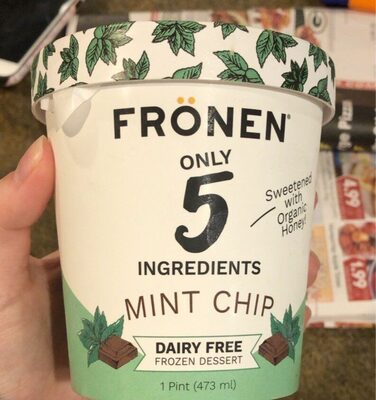 Fronen Foods, Inc.
Mint Chip Dairy Free Frozen Dessert, Mint Chip
High in saturated fat — 60% DV per serving
High in added sugars — 26% DV per serving
200kcal
3Protein
15Fat
17Carbs
Sunstar Engineering Americas
Tahini Cream Center Oat & Honey Sandwich Cookies, Tahini Cream Center
480kcal
6.5Protein
26.9Fat
51.3Carbs
Sunstar Engineering Americas
Greek Yogurt Oat & Honey Sandwich Cookies, Greek Yogurt Oat & Honey
495kcal
6.5Protein
27.6Fat
53.1Carbs
Fronen Foods, Inc.
Mint Chip Dairy Free Frozen Dessert, Mint Chip
High in saturated fat — 60% DV per serving
High in added sugars — 26% DV per serving
200kcal
3Protein
15Fat
17Carbs
Sunstar Engineering Americas
Tahini Cream Center Oat & Honey Sandwich Cookies, Tahini Cream Center
480kcal
6.5Protein
26.9Fat
51.3Carbs
Sunstar Engineering Americas
Greek Yogurt Oat & Honey Sandwich Cookies, Greek Yogurt Oat & Honey
495kcal
6.5Protein
27.6Fat
53.1Carbs
Learn more
Auto-generated content. This description was generated automatically and is pending editorial review. Inaccuracies are possible. Found a mistake? Contact us.